

 EN

 CN
 ES
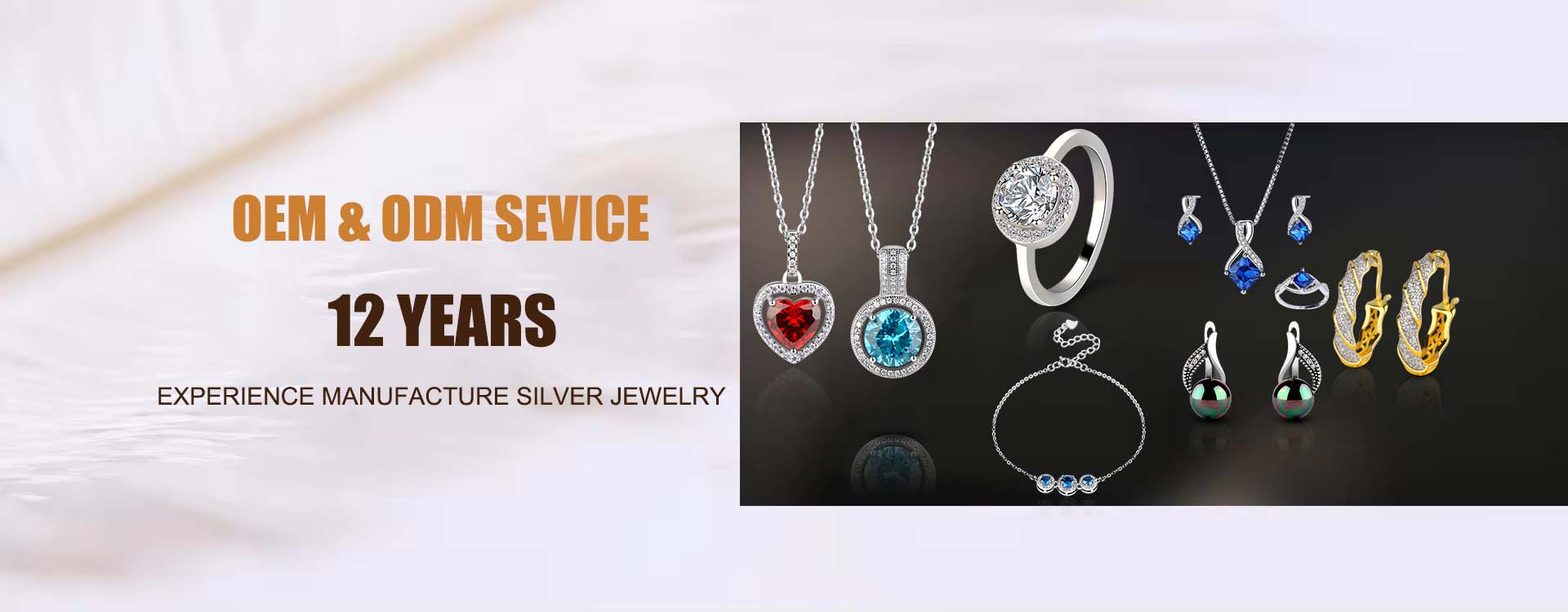
Prong, bezel, and pavé are the three most common jewelry settings. Prong setting maximizes light for a center stone, bezel offers a secure and retro look, and pavé uses small stones densely packed for sparkle. The right choice depends on the stone shape, design style, and how the piece will be worn, and it also affects long-term security and repair cost.
Metal prongs, typically four or six, grip the girdle of the stone, leaving most of it exposed. Light enters from every angle, showing off fire and clarity. Prong setting suits round or oval center stones in rings and pendants. It makes stones look larger and brighter, but prongs can catch on clothing and hair and need periodic checks for looseness. Six prongs are more secure than four, and rounded prong tips reduce snagging. Larger center stones may use eight prongs or a double-row prong head.
A thin rim of metal wraps fully around the stone girdle, holding it flush. Bezel setting protects the stone edge, resists knocks, and feels comfortable to wear, making it ideal for everyday rings and vintage styles, and it also suits square or trapezoid step-cut stones. The trade-off is that metal blocks some light, so the stone looks a little smaller. Precision machining is required: the rim must be even, thin enough to avoid looking bulky, and thick enough not to loosen the stone.
Tiny metal beads secure small stones, usually under 2 millimeters, tightly across a metal surface, leaving almost no visible metal base. The result reads like a paved road of stones. Pavé works well on rings, bracelets, and earrings for a luxe, sparkling look. Small stones can fall out more easily, cleaning is harder, and cost is higher. Pavé needs harder metal, so sterling silver pavé pieces are reinforced to prevent bending that would loosen stones.
In practice the methods are often combined, such as a prong-set center stone with pavé along the shank. MASCOT Jewelry masters all three setting methods and can produce from your CAD or hand sketches for OEM and ODM orders shipped to over 50 countries. Contact us to discuss your setting designs.


