Products

Blog

Moissanite vs CZ vs Diamond: Sourcing Comparison

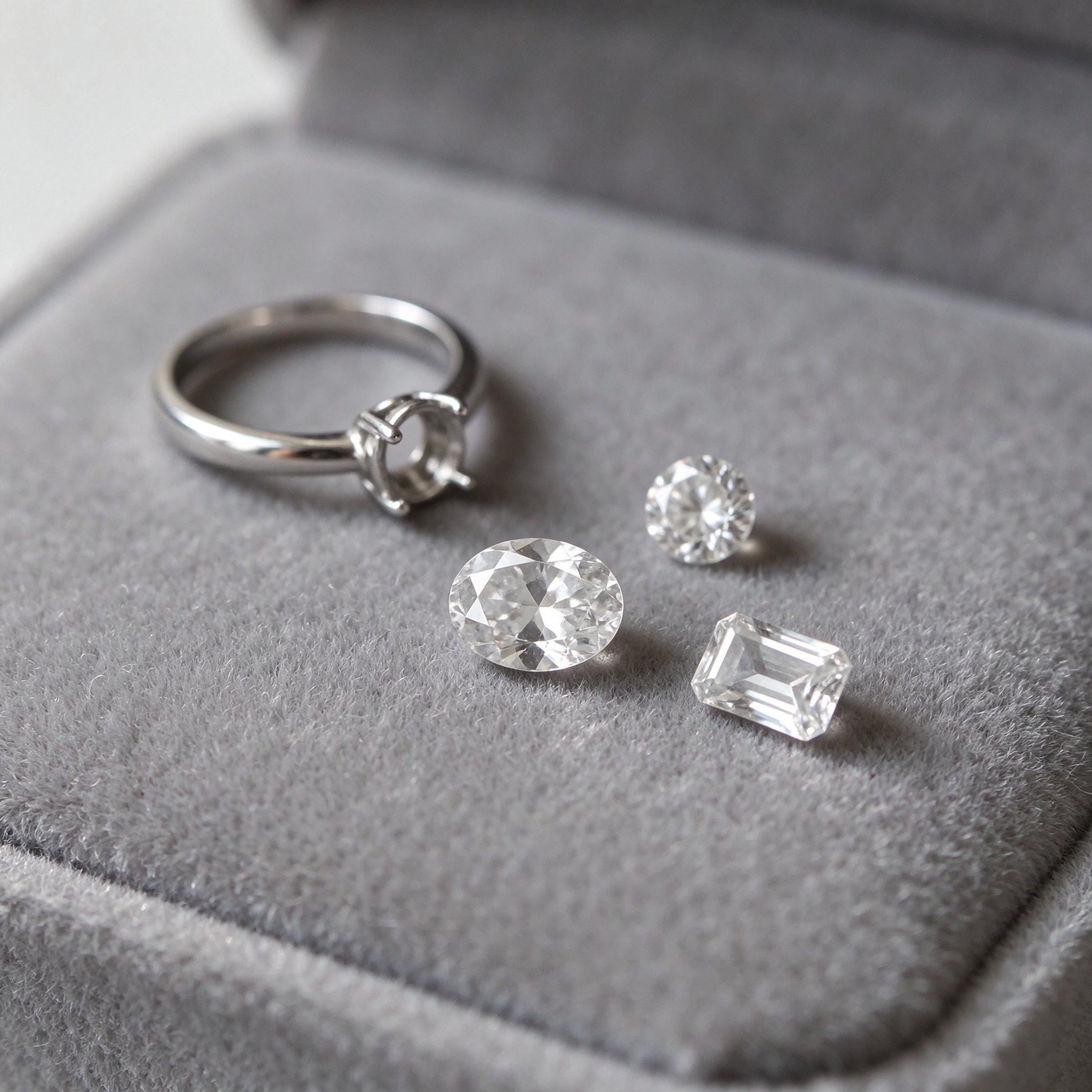
What the Three Stones AreCubic zirconia, or CZ, is a lab-made diamond simulant with the lowest cost, suited to high-volume everyday pieces. Moissanite is a silicon carbide crystal with higher refractive index and fire than CZ, priced in the middle and closer in look to diamond. Diamond is a natural carbon crystal, the hardest and most expensive, usually graded with a certificate. All three can be set in sterling silver, but they sit in different slots: CZ for decorative fast movers, moissanite for a quality alternative, diamond for high-ticket memorial pieces.Hardness, Fire and Daily WearDiamond scores 10 on Mohs, moissanite about 9.25, CZ around 8 to 8.5. Softer stones scratch more easily against desks, keys and fine sand, and CZ facets going cloudy after months of wear is common. Moissanite has the highest dispersion, with obvious coloured flashes as it turns; CZ looks bright but flat; diamond fire sits quieter and even. Take jewellery off for washing up, workouts and perfume. Friction against the silver setting is the main wear cause, regardless of stone type.Weight, Size and Quote WordingThe most vague part of a quote is stone weight and size. CZ sells by carat or millimetre diameter, moissanite lists carat and matching diameter, diamond grades by carat, colour, clarity and cut. At the same diameter moissanite weighs less than diamond, and CZ density differs again, so size cannot be judged from carat alone. Ask the supplier to state stone type, diameter in mm, carat weight, cut shape and certificate included. A quote that only says diamond or simulant is the most likely to lead to a dispute later.Matching Stone to Ring and Pendant UseFor fast-moving everyday pieces, studs and bracelet accents, CZ keeps cost down and replacement cheap. For engagement, memorial and gift rings and pendants where quality matters, moissanite fire and durability fit better. Move to diamond only when the customer wants a natural stone and accepts the budget and certificate. The finer the silver setting, the harder the stone should be; CZ chips more easily under thin prongs. Main and side stones in a set should share a type to avoid a quality gap.Five Specs to Write Into the OrderOne, stone type and lab-versus-natural origin; two, diameter, carat weight and cut shape; three, setting method, prong, bezel or pavé, and stone seat size; four, surface finish and plating thickness; five, sampling and return criteria. Moissanite can come with a test certificate; diamond must carry a grading certificate. Check stone shine, prong tightness and back transparency on samples before bulk sampling to the same standard.FAQIs moissanite a diamond?No. Moissanite is a lab-grown silicon carbide crystal that looks close to diamond but differs in composition and price; diamond is natural carbon. The two should be listed separately by stone type on any quote.Does CZ change colour over time?CZ does not oxidize, but its lower hardness lets facets scratch and go cloudy, which looks like fading. Reducing friction and taking it off for chores and workouts delays the haze.Which stone holds best in a silver setting?Thin-prong pieces suit moissanite or diamond for hardness and lower chipping risk; thick bezel everyday pieces can use CZ to control cost. The finer the silver setting, the softer the stone it should avoid.How do I check weight and size?Ask for diameter in mm, carat weight and cut shape on the spec sheet. On arrival, measure diameter with callipers and compare weight. Stone diameter across a batch should stay within tolerance; drift beyond that means re-checking the whole lot.{"@context":"https://schema.org","@type":"FAQPage","mainEntity":[{"@type":"Question","name":"Is moissanite a diamond?","acceptedAnswer":{"@type":"Answer","text":"No. Moissanite is a lab-grown silicon carbide crystal that looks close to diamond but differs in composition and price; diamond is natural carbon. The two should be listed separately by stone type on any quote."}},{"@type":"Question","name":"Does CZ change colour over time?","acceptedAnswer":{"@type":"Answer","text":"CZ does not oxidize, but its lower hardness lets facets scratch and go cloudy, which looks like fading. Reducing friction and taking it off for chores and workouts delays the haze."}},{"@type":"Question","name":"Which stone holds best in a silver setting?","acceptedAnswer":{"@type":"Answer","text":"Thin-prong pieces suit moissanite or diamond for hardness and lower chipping risk; thick bezel everyday pieces can use CZ to control cost. The finer the silver setting, the softer the stone it should avoid."}},{"@type":"Question","name":"How do I check weight and size?","acceptedAnswer":{"@type":"Answer","text":"Ask for diameter in mm, carat weight and cut shape on the spec sheet. On arrival, measure diameter with callipers and compare weight. Stone diameter across a batch should stay within tolerance; drift beyond that means re-checking the whole lot."}}]}

Freshwater Pearl Silver Jewellery: Buying and Care Guide

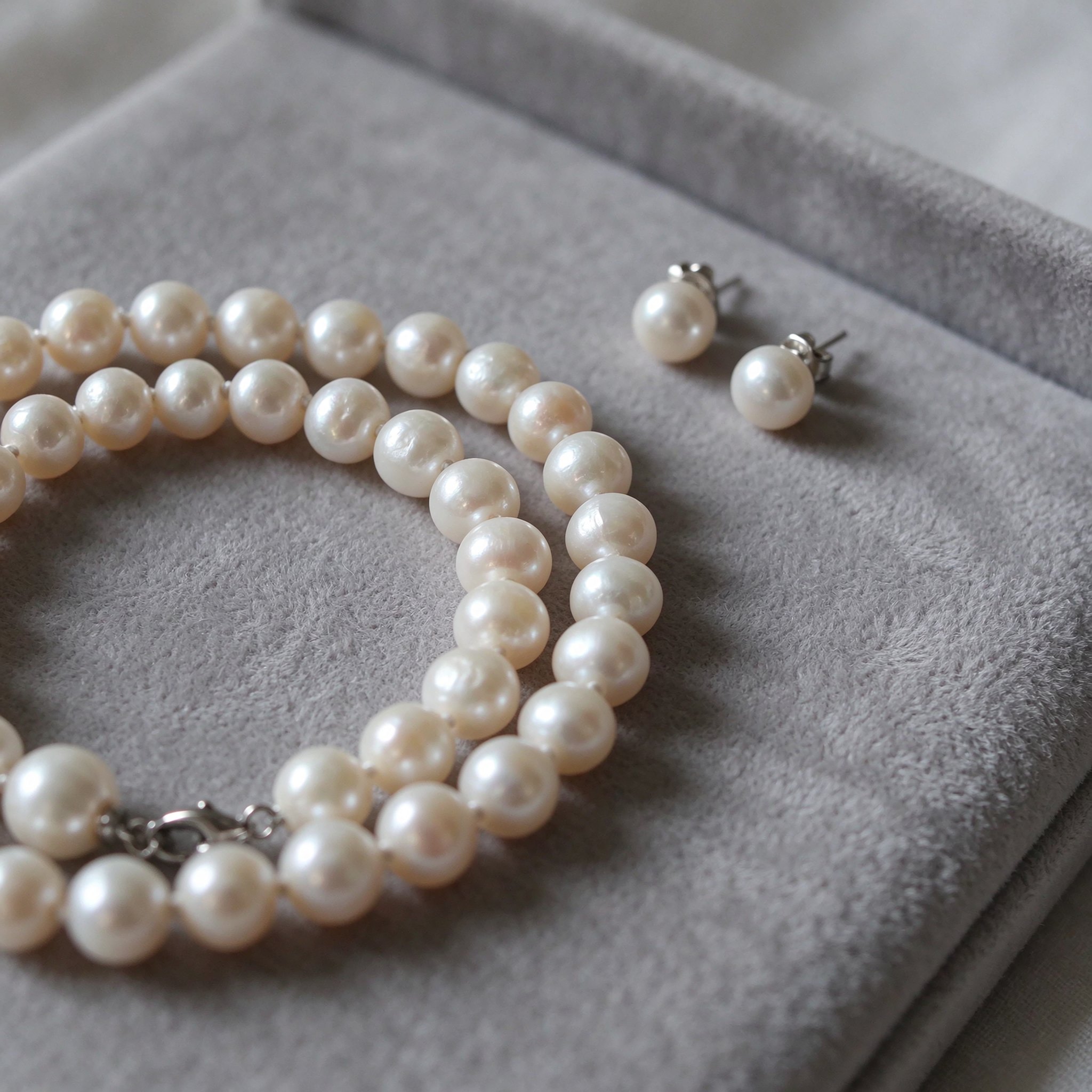
Freshwater vs Saltwater PearlsFreshwater pearls grow in river and lake mussels, with larger supply, friendlier prices and shapes ranging from near-round to oval and baroque. Saltwater pearls grow in shellfish, with more even roundness and lustre and higher prices. Wholesale silver everyday and volume pieces usually use freshwater pearls set in 925 silver to control cost. Both are organic gems made mainly of calcium carbonate, react to acid and cannot be cared for like ordinary stones.Lustre, Roundness, Nacre and BlemishesLustre is the first test: a strong pearl reflects a clear outline and human figure, while weak lustre blurs the reflection. Roundness checks whether diameters match across a strand; near-round pieces can tolerate oval shapes in single designs. Thicker nacre lasts longer, while thin nacre peels and sheds easily. Blemishes cover growth marks, dents and scratches; wholesale pieces allow minor natural blemishes but not clustered flaws in a prominent front spot. Rotate each pearl in natural light, as indoor gloss hides defects.Silver Mounts and Drill-Hole CraftPearl holes must be straight, with no chipped edges and a smooth channel that does not fray thread. Silver bezels or prongs should not press on the high-lustre face and wear the nacre away. Stud posts must fix firmly to the pearl seat, and pendant bails should add a metal pad between bead and hole to reduce pull-off risk. Bulk orders should check the angle of every hole, otherwise a strand sits unevenly. Add a washer where pearl meets silver to stop the metal scratching the bead.Daily Care: Prevent Yellowing and WearYellowing mostly comes from sweat, sebum and leftover cosmetics forming a film, not from the pearl itself changing. Wipe with a soft cloth after wearing before storage; avoid direct contact with perfume, hairspray and makeup remover. Do not shower, swim or work out in pearls, as chlorine and sweat age the nacre faster. Store each piece in its own soft pouch, away from silver chains and diamonds; pearl hardness is low and collisions leave marks. Air long-stored pieces now and then instead of sealing them in a damp box.Choosing Pearls for Necklaces, Studs and BraceletsNecklaces demand the most even roundness and lustre, with a natural graduated sequence; single studs can use near-round beads judged on front lustre and symmetry. Bracelet beads can be slightly smaller, focusing on durability and secure holes. Gift and memorial pieces pick strong-lustre near-round pearls; volume everyday pieces take medium lustre with light growth marks. Main and accent pearls in a set must share tone, and silver finish should match pearl whiteness to avoid a colour gap between yellowish beads and bright silver.FAQDo pearls yellow over time?Sweat, sebum and cosmetic residue darken the surface as a film, which can be wiped with a soft cloth dipped in very mild soap water then dried. Irreversible peeling comes only from aged, thin nacre; regular cleaning slows it down.Can pearls touch perfume and cosmetics?Not recommended. Perfume alcohol, hairspray, remover and skincare oils eat into the nacre. Apply makeup and scent first, then put pearls on; wipe them after taking them off.Is a darkened silver mount related to the pearl?Silver darkens by oxidation, independent of the pearl; but metal rubbing the bead can scratch nacre. A washer at the contact point protects both.How do I keep a batch consistent?Seal one sample setting the lustre, roundness and blemish standard, then bulk-check against it. Diameter tolerance and lustre grade must match across a strand, with no clustered obvious blemishes on the front.{"@context":"https://schema.org","@type":"FAQPage","mainEntity":[{"@type":"Question","name":"Do pearls yellow over time?","acceptedAnswer":{"@type":"Answer","text":"Sweat, sebum and cosmetic residue darken the surface as a film, which can be wiped with a soft cloth dipped in very mild soap water then dried. Irreversible peeling comes only from aged, thin nacre; regular cleaning slows it down."}},{"@type":"Question","name":"Can pearls touch perfume and cosmetics?","acceptedAnswer":{"@type":"Answer","text":"Not recommended. Perfume alcohol, hairspray, remover and skincare oils eat into the nacre. Apply makeup and scent first, then put pearls on; wipe them after taking them off."}},{"@type":"Question","name":"Is a darkened silver mount related to the pearl?","acceptedAnswer":{"@type":"Answer","text":"Silver darkens by oxidation, independent of the pearl; but metal rubbing the bead can scratch nacre. A washer at the contact point protects both."}},{"@type":"Question","name":"How do I keep a batch consistent?","acceptedAnswer":{"@type":"Answer","text":"Seal one sample setting the lustre, roundness and blemish standard, then bulk-check against it. Diameter tolerance and lustre grade must match across a strand, with no clustered obvious blemishes on the front."}}]}

Stackable Ring Sets: Width, Metal and Layering Rules

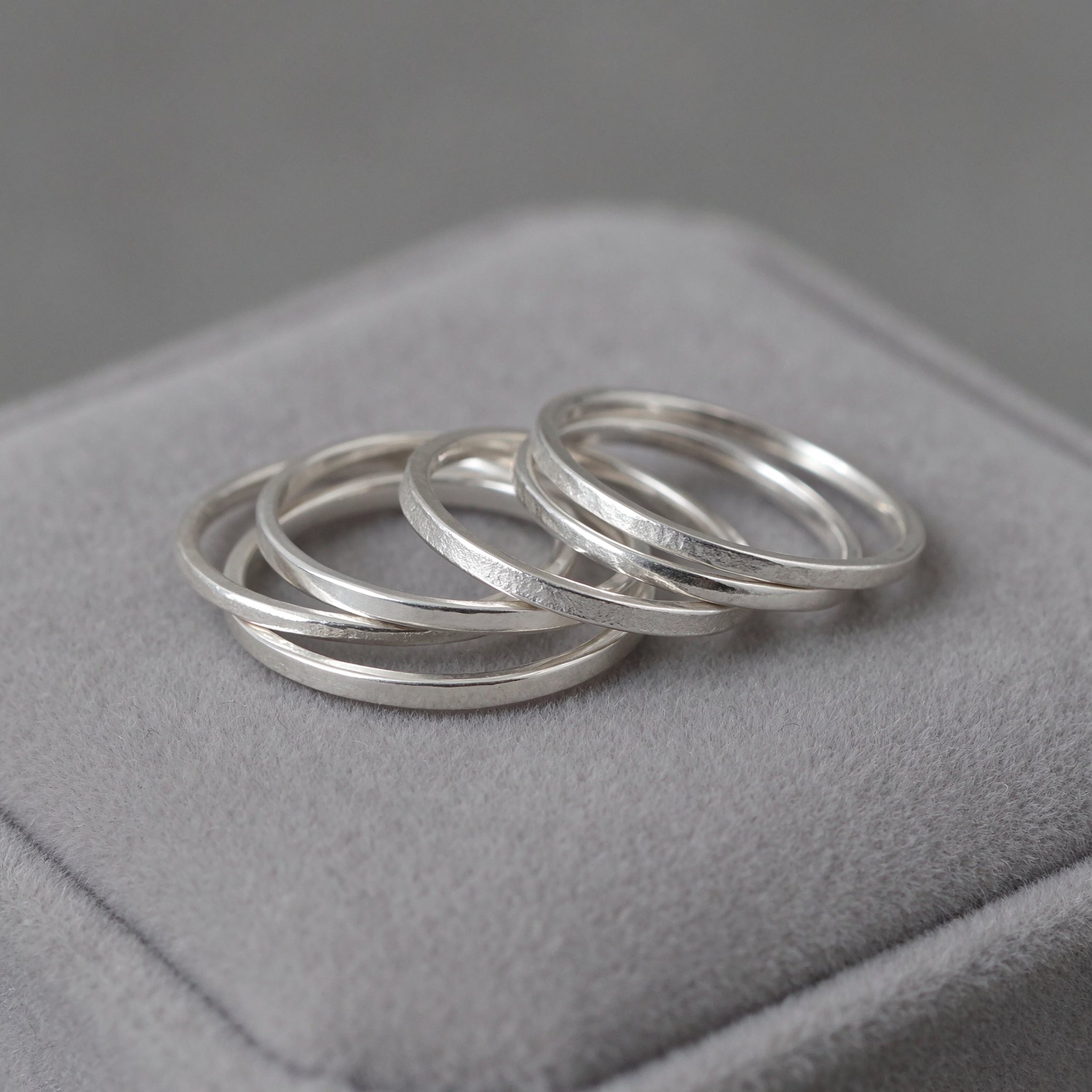
Three Layers: Hero, Side and SlimA stack usually splits into three: the hero ring is the focus, with a main stone or wider face; the side ring carries the line beside it, medium width and low-key stones; slim rings fill gaps, narrowest and mostly plain. Width drops from wide to slim across the three, avoiding two wide rings side by side. Wear the hero on the middle or ring finger, the side ring next to it, slim ones near the knuckle; the order can follow the hand shape.Matching Width and ThicknessCommon band widths run from 2 mm slim to 8 mm wide. The widest hero should stay under 8 mm, side rings 3 to 4 mm, slim rings around 2 mm. Band thickness affects comfort: too thin bends easily, too thick catches the knuckle. Adjacent rings need a clear width gap, otherwise they merge visually. Test the stack on a sample finger first: knuckle passes smoothly and the band does not press the skin at the root.Matching Metal Colour and Stone StyleMetal colour within a set should stay unified: all silver-white, all gold-plated, or silver-white with a small gold accent. Mixed colours top out at two and sit apart, not side by side. Stone style should match too: pavé pairs with plain slim bands, avoid two large main stones competing. Alternating plain and stone bands read better than an all-stone stack. Pack photos show the stacked look; each piece should be labelled with width and suggested position.Pieces and Sizing for Wholesale SetsCommon sets run three to five rings. The more pieces, the more sensible the size split: US 6 to 8 are the core range for most of the set, with 5 and 9 in small numbers. Rings in a set can share one size or differ slightly by finger position. Confirm before ordering whether the set is one size or mixed sizes, so buyers can match positions. Inner bands must be smooth, with no burrs to catch skin or knitwear under friction.Craft to Prevent Snag and BendRings in a stack rub each other, so band edges should be rounded and stone prongs tucked flat, not exposed. Main stones sit tight in their prongs to avoid catching fabric. Thin bands bend over time under stack pressure, so reinforce the inner root. Plating wears faster under stack friction, so set plating thickness evenly. Check sample roundness, inner smoothness and prong tightness, then bulk-check to the same tolerance.FAQHow many rings make a good stack?Three to five is a safe daily range. Fewer shows no layering; more looks crowded and snags easily. Fix one hero first, then add two decreasing-width pieces to form a set.Can different metals be stacked together?Yes, but keep to two colours maximum and place them apart, not side by side. The set keeps one main colour; the other colour is a small accent only.How should sizes be split in a set?US 6 to 8 are the core, 5 and 9 in small numbers. Confirm one-size versus mixed-size sets first; smooth inner bands and a smooth knuckle pass are basic acceptance checks.Do stackable rings bend easily?Thin bands do lose their round under long-term stack pressure. Inner-root reinforcement, rounded edges and even plating reduce the risk; check sample roundness and prong tightness first.{"@context":"https://schema.org","@type":"FAQPage","mainEntity":[{"@type":"Question","name":"How many rings make a good stack?","acceptedAnswer":{"@type":"Answer","text":"Three to five is a safe daily range. Fewer shows no layering; more looks crowded and snags easily. Fix one hero first, then add two decreasing-width pieces to form a set."}},{"@type":"Question","name":"Can different metals be stacked together?","acceptedAnswer":{"@type":"Answer","text":"Yes, but keep to two colours maximum and place them apart, not side by side. The set keeps one main colour; the other colour is a small accent only."}},{"@type":"Question","name":"How should sizes be split in a set?","acceptedAnswer":{"@type":"Answer","text":"US 6 to 8 are the core, 5 and 9 in small numbers. Confirm one-size versus mixed-size sets first; smooth inner bands and a smooth knuckle pass are basic acceptance checks."}},{"@type":"Question","name":"Do stackable rings bend easily?","acceptedAnswer":{"@type":"Answer","text":"Thin bands do lose their round under long-term stack pressure. Inner-root reinforcement, rounded edges and even plating reduce the risk; check sample roundness and prong tightness first."}}]}

Hoop Earrings: Size, Post Craft and Plating Guide

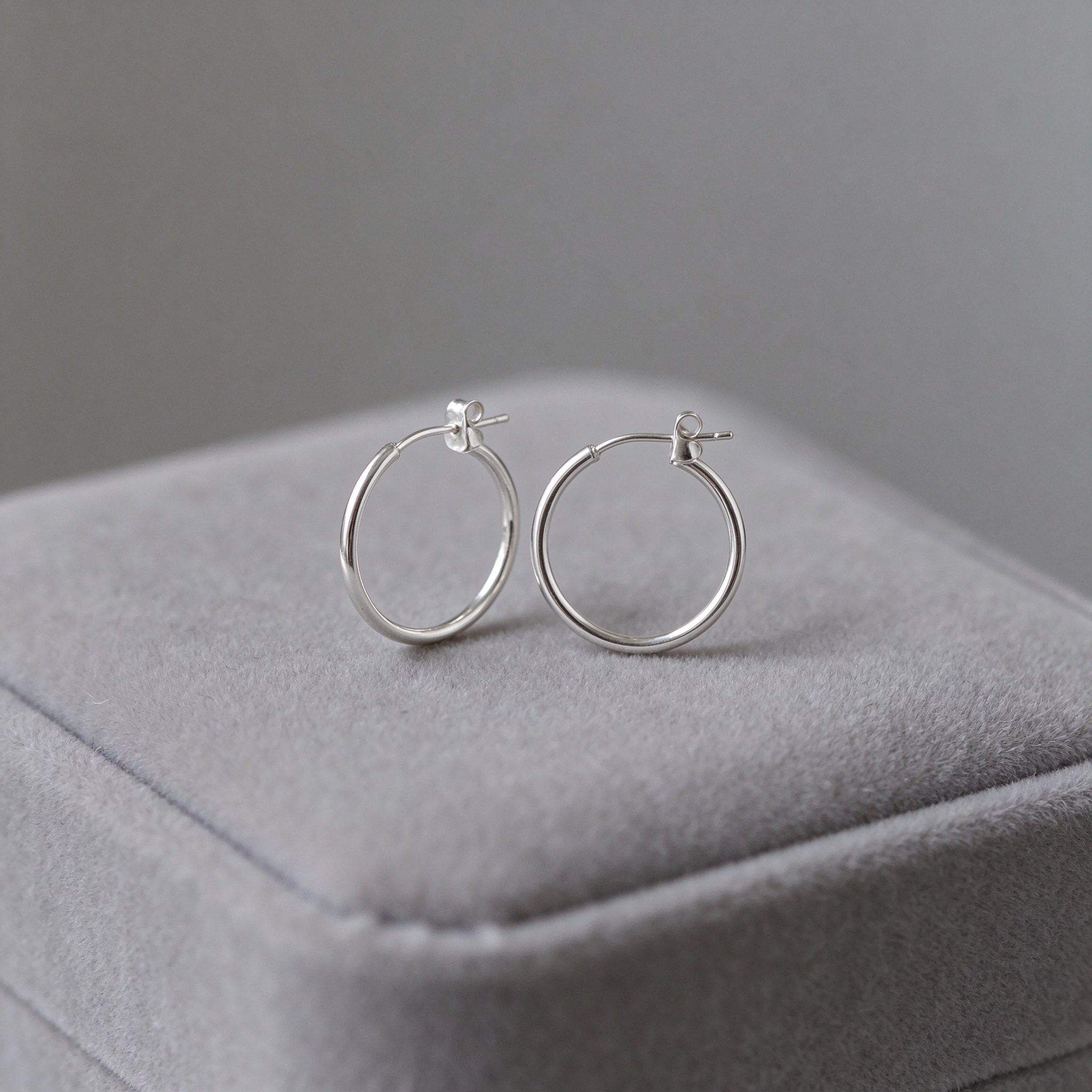
Diameter and Wire ThicknessHoop diameter runs from 1 cm small rings to over 5 cm large ones; bigger diameter means a bolder look and more swing. Wire thickness must match diameter: large hoops use thicker wire to resist bending, small hoops can stay slim for delicacy. Everyday volume pieces commonly sit at 2 to 3 cm diameter and 1.2 to 1.8 mm wire. Wholesale stock splits small, medium and large tiers; buyers choose by face and outfit. Try samples for swing and ear fit; over-large wires catch hair and collars.Posts, Clasps and ClosureCommon structures are post-and-back, self-hoop click and snap closure. Post-and-back holds with the clutch, and clasp tightness decides whether it drops; self-hoops insert one end into the opposite catch and must align without slack; snap clasps open and close, and the hinge spring is checked over repeats. The post needs enough hardness: a soft wire bends when worn. Closure gaps stay even, seated without wobble. In bulk returns, loose clasps and bent posts are the most common faults; open and close samples several times before bulk order.Plating, Polish and Post Hardness925 silver hoops can be polished bright or rhodium-flashed for whiteness, and white-gold plated where oxidation is a concern. Polish follows the wire evenly around, with no seam marks. Welds where post meets hoop stay smooth, not scraping the piercing. Posts should be 925 silver or hardened; a plain soft wire deforms when put in and taken out. Plating thickness matches across the batch; the inner wire and post back are easy to miss, so turn pieces over during sampling.Size Ladder and Weight Tolerance for StockA stock range should cover small (1–2 cm), medium (2–3.5 cm) and large (over 3.5 cm), with medium the largest share. Weight deviation within one diameter should stay in a narrow range; wide drift means uneven wire thickness. A pair must match left and right in weight and diameter so it sits level. Order notes should state diameter, wire thickness, single weight and pair weight, to avoid comparing prices by diameter alone.Sensitive Ears and Allergy ChecksPeople with sensitive piercings react more to nickel, copper and plating residue. The post touches the piercing directly, so its material must be stated as 925 silver or alloy, with the plating process clear. Allergy complaints mostly come from alloy posts and poor plating rather than the silver hoop body. Write post material into the spec; samples can show post close-ups and test notes. Fresh piercings should choose pure silver posts.FAQWhich hoop diameter sells best?The 2 to 3 cm medium range fits most faces and daily outfits, so it takes the largest stock share; small and large hoops are added in smaller style-driven numbers.What if a hoop will not close tight?Usually the catch gap is too wide or the hinge spring is weak. Work the sample open and closed first, then bulk-check clasp tightness; a loose batch needs the whole structure re-inspected.Must a pair weigh the same?Yes. Left and right match in diameter and weight so they sit level; wide weight drift within a batch means uneven wire thickness and the craft needs re-checking.Which post suits sensitive ears?Prefer 925 silver posts or hardened pure-silver posts, avoiding soft alloy posts and cheap plating. State post material and plating in the spec to lower allergy returns.{"@context":"https://schema.org","@type":"FAQPage","mainEntity":[{"@type":"Question","name":"Which hoop diameter sells best?","acceptedAnswer":{"@type":"Answer","text":"The 2 to 3 cm medium range fits most faces and daily outfits, so it takes the largest stock share; small and large hoops are added in smaller style-driven numbers."}},{"@type":"Question","name":"What if a hoop will not close tight?","acceptedAnswer":{"@type":"Answer","text":"Usually the catch gap is too wide or the hinge spring is weak. Work the sample open and closed first, then bulk-check clasp tightness; a loose batch needs the whole structure re-inspected."}},{"@type":"Question","name":"Must a pair weigh the same?","acceptedAnswer":{"@type":"Answer","text":"Yes. Left and right match in diameter and weight so they sit level; wide weight drift within a batch means uneven wire thickness and the craft needs re-checking."}},{"@type":"Question","name":"Which post suits sensitive ears?","acceptedAnswer":{"@type":"Answer","text":"Prefer 925 silver posts or hardened pure-silver posts, avoiding soft alloy posts and cheap plating. State post material and plating in the spec to lower allergy returns."}}]}

Pendant Styles and Bail: Stone, Fitting and Chain

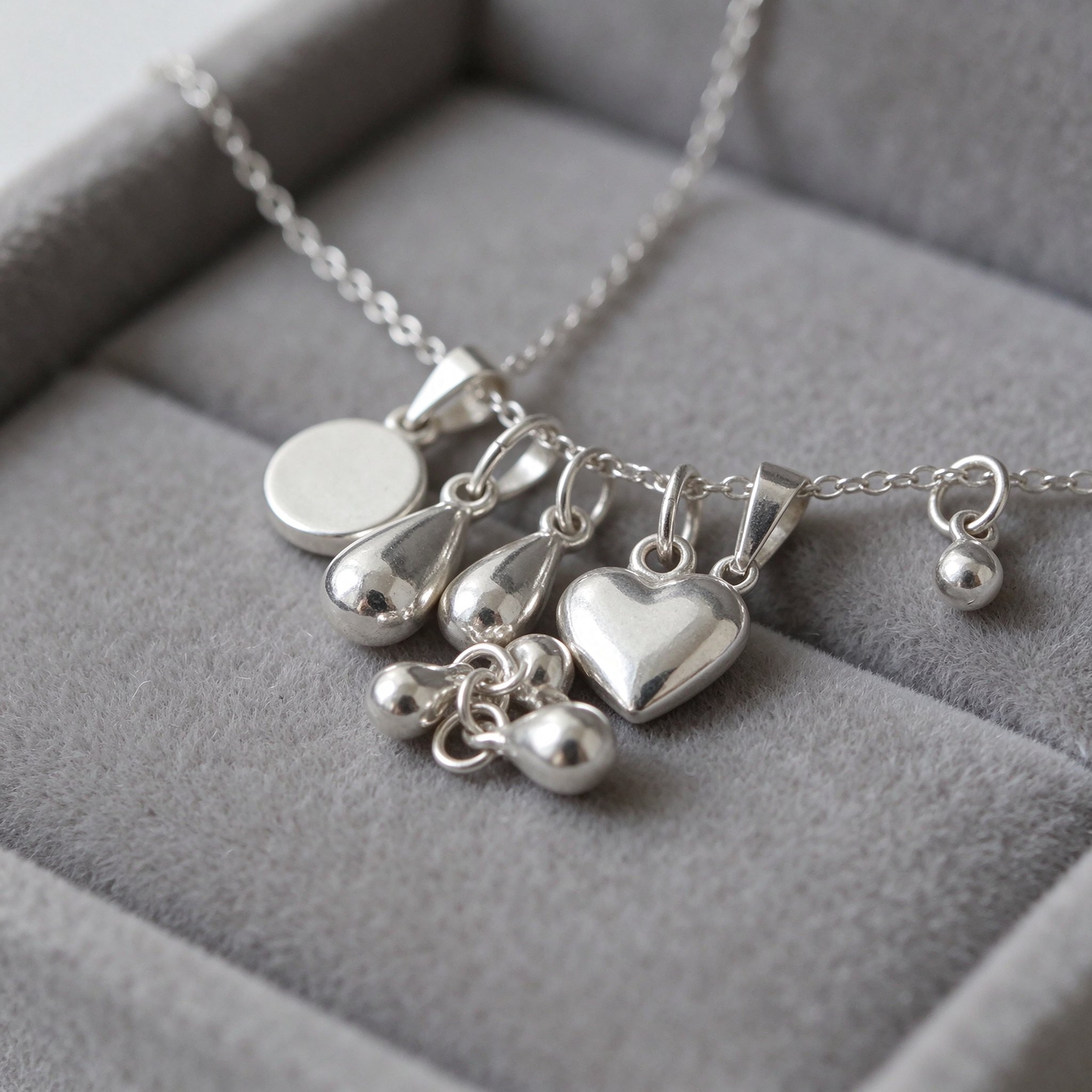
Common Pendant Shapes and Stone PositionPendants split into single-stone, cluster and design pieces: one stone highlights a single center, often round, heart or pear; clusters pave small stones into patterns; design pieces use animals, symbols or letters with stones as accents. Stone position sets the visual weight: a high bail suits a vertical drop for length, a low bail suits a horizontal piece for stability. Pick the line by wear scenario: small single stones for commuting, hearts or clusters for gifts and memorials.Prong, Bezel and Pavé SettingsProng settings hold the stone with metal claws, letting light through and making the stone look larger, but tips must be tucked flat to avoid snagging. Bezel settings wrap a metal rim around the stone for a secure, low-key look suited to rubbed pieces. Pavé presses small stones into the tray with tiny pins for clusters. Larger stones need enough claws and rim thickness; soft or fractured stones should not be pressed tight by deep prongs. Check the stone seat matches the stone, neither loose nor chipped.Bail Structure: Fixed vs MovingA fixed bail joins the pendant body in one piece, simple for light small drops; a moving bail links through a ring so the pendant turns with motion and shows more faces, but the connector ring must be thick enough. The bail channel should glide smoothly without catching links. Large or thick-stone pendants benefit from a moving bail to spread stress and stop the body-to-bail joint snapping. Pull the bail and joint on samples to spot weak solder, cracks or bend.Chain Length and Thickness for a PendantCommon women lengths run 40 to 45 cm, choker at the collarbone, longer dropping to the chest. Small pendants pair with slim chain (1 to 1.5 mm), large ones with heavier wire (1.8 mm up) to balance weight. The heavier the drop, the thicker chain and bail must be together; do not hang a heavy drop on a slim chain. In a set, pendant and chain share one metal colour, and the chain stays simple so it does not compete with the face. Quotes should state drop weight, suggested wire thickness and compatible chain length.Load and Size Checks Before OrderingCheck five points: fit between stone size and seat; bail thickness and ring diameter; drop weight against suggested chain thickness; setting security, prongs, bezel and pavé; even polish and plating. On samples, pull the bail and gently swing the drop to see whether the joint takes force evenly. Bulk sampling checks weight drift per model, bail-channel smoothness and stone tightness, so drops do not sit crooked or stones come loose on arrival.FAQCan a pendant bail break?The bail rarely snaps on its own; the common fault is weak solder or a too-thin ring that cracks under pull. Pull the sample to check weld and ring thickness, then bulk-check load to the same standard.What chain suits a large pendant?A heavy drop needs a chain over 1.8 mm to balance weight; a slim chain stretches or snaps the bail under a heavy drop. State drop weight and suggested wire thickness in the quote.Which is better, moving or fixed bail?Light small drops use a fixed bail for simplicity; large or thick-stone drops use a moving bail to spread stress and reduce joint breakage. The connector ring must be thick and the channel smooth.How do I check the stone seat size?Match stone diameter and thickness against the seat: stone stays put without chipping the rim. On samples inspect prong or bezel fit; bulk-check stone tightness is consistent across the lot.{"@context":"https://schema.org","@type":"FAQPage","mainEntity":[{"@type":"Question","name":"Can a pendant bail break?","acceptedAnswer":{"@type":"Answer","text":"The bail rarely snaps on its own; the common fault is weak solder or a too-thin ring that cracks under pull. Pull the sample to check weld and ring thickness, then bulk-check load to the same standard."}},{"@type":"Question","name":"What chain suits a large pendant?","acceptedAnswer":{"@type":"Answer","text":"A heavy drop needs a chain over 1.8 mm to balance weight; a slim chain stretches or snaps the bail under a heavy drop. State drop weight and suggested wire thickness in the quote."}},{"@type":"Question","name":"Which is better, moving or fixed bail?","acceptedAnswer":{"@type":"Answer","text":"Light small drops use a fixed bail for simplicity; large or thick-stone drops use a moving bail to spread stress and reduce joint breakage. The connector ring must be thick and the channel smooth."}},{"@type":"Question","name":"How do I check the stone seat size?","acceptedAnswer":{"@type":"Answer","text":"Match stone diameter and thickness against the seat: stone stays put without chipping the rim. On samples inspect prong or bezel fit; bulk-check stone tightness is consistent across the lot."}}]}

Matching Jewellery Sets: Necklace, Earrings, Bracelet

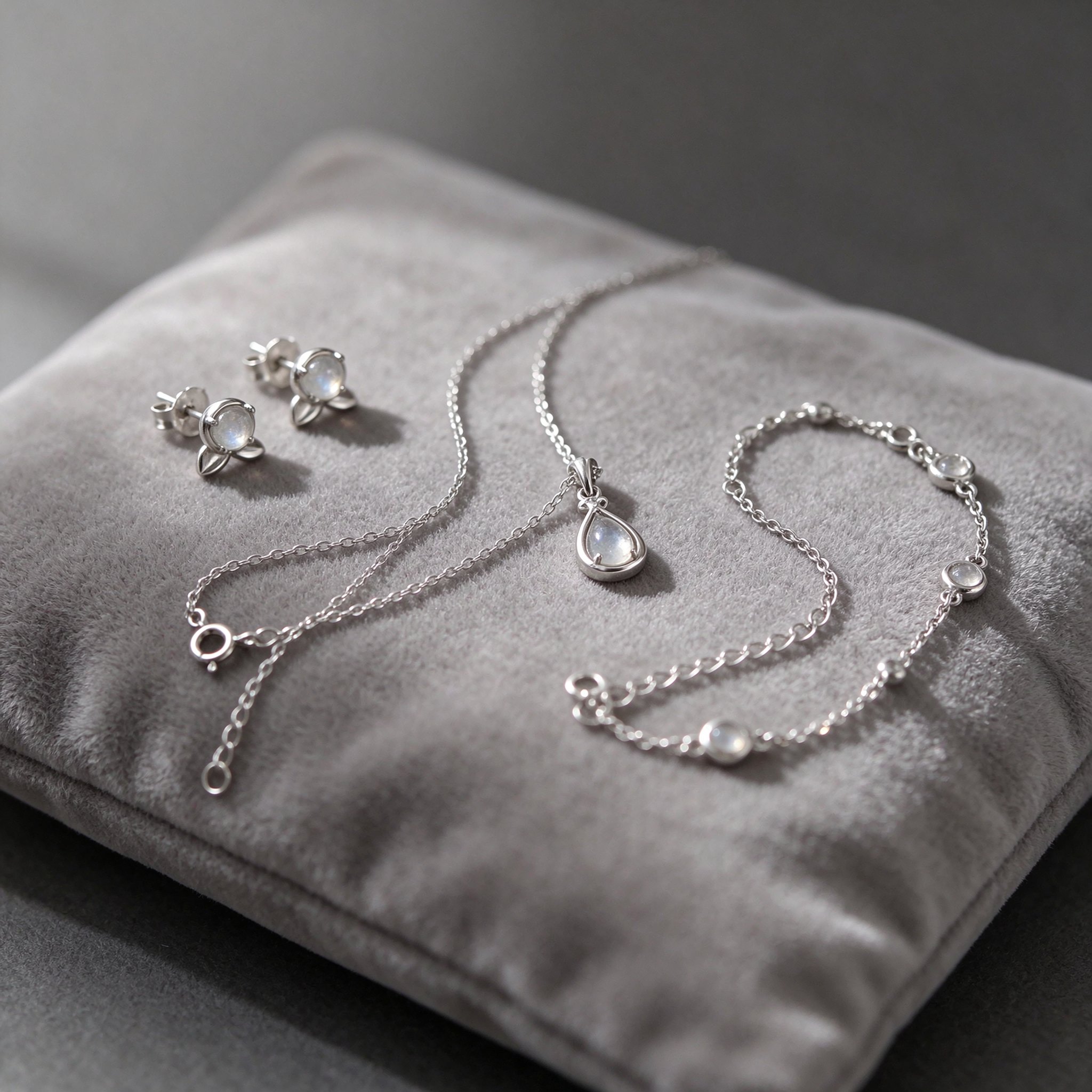
Three Set PositionsCommon sets split into everyday commute, gift-memorial and occasion looks. Commute pieces stay simple with small stones for long wear; gift pieces center on hearts, flowers or a main stone with a box; occasion sets carry fuller stones and brighter metal for a bolder look. Position sets the weight and price level; split wholesale stock by customer ratio instead of mixing slim commute pieces with large occasion pieces in one display.Unifying Stone, Metal Colour and ShapeWithin a set, stone type, colour and metal colour must match: silver-white with clear or pale stones, gold plating with warm tones. Shape language also stays consistent, all rounded lines or all geometric facets. Earrings and necklace stones can echo without matching size; the bracelet is the closing piece with smaller stones. Avoid one piece pavé and one plain face creating a quality gap; photograph all three on a matching background to confirm the overall harmony.Piece Mix and Layering in a TrioA standard trio is necklace, earrings and bracelet; two-piece (necklace-earrings) and four-piece with a ring also exist. The necklace is the visual center, earrings frame the face, the bracelet closes at the wrist. When the necklace drop is large, earrings should stay small so both do not compete. Match set piece count to target market habits: gift boxes often carry three, volume daily lines two.Sizing, Packaging and Stock for WholesaleNecklace length, bracelet fit and ring size must be stated in a set; stud pieces have no size but the post material should be noted. Set packaging usually uses a gift box with a pouch and fixed slots to stop transit rubbing. For stock, split core two- and three-piece sets by ratio, with ring sizes tiered. State in advance whether sets can be sold apart, so buyers do not expect set-only pricing.Checks to Avoid a Quality GapCompare the three sample pieces together: metal colour match, plating brightness, stone lustre grade and polish detail at the same level. Check that posts, chain clasps and bracelet clasps meet the same standard as the main piece. If one set piece is 925 silver and another alloy, the label must say so clearly instead of calling the whole set silver. Bulk sampling compares piece by piece against the sealed sample to prevent batch-to-batch drift.FAQMust a set have three pieces?Not necessarily. Two-piece necklace-earring sets suit volume daily lines, three-piece with bracelets suit gift boxes, and occasion sets may add a ring. Choose piece count by market habit and price level.Can earrings and necklace use different stones?They may differ in size, but stone type, colour and setting style must match. One pavé and one plain face create a quality gap; echo without matching size.How are gift-box sets stocked?State chain length, bracelet fit and sizes, pack with box and padded slots; split core two- and three-piece sets by ratio, tier ring sizes, and note whether split sales are allowed.Which set piece fails most often?Bracelet clasps and earring posts are small load-bearing parts whose craft must match the main piece. On samples focus on clasp tightness, post hardness and any missed plating.{"@context":"https://schema.org","@type":"FAQPage","mainEntity":[{"@type":"Question","name":"Must a set have three pieces?","acceptedAnswer":{"@type":"Answer","text":"Not necessarily. Two-piece necklace-earring sets suit volume daily lines, three-piece with bracelets suit gift boxes, and occasion sets may add a ring. Choose piece count by market habit and price level."}},{"@type":"Question","name":"Can earrings and necklace use different stones?","acceptedAnswer":{"@type":"Answer","text":"They may differ in size, but stone type, colour and setting style must match. One pavé and one plain face create a quality gap; echo without matching size."}},{"@type":"Question","name":"How are gift-box sets stocked?","acceptedAnswer":{"@type":"Answer","text":"State chain length, bracelet fit and sizes, pack with box and padded slots; split core two- and three-piece sets by ratio, tier ring sizes, and note whether split sales are allowed."}},{"@type":"Question","name":"Which set piece fails most often?","acceptedAnswer":{"@type":"Answer","text":"Bracelet clasps and earring posts are small load-bearing parts whose craft must match the main piece. On samples focus on clasp tightness, post hardness and any missed plating."}}]}

Previous 1/29 Next
×

Contact Us

captcha
×

Inquire

*Name
*Email
Company Name
Tel
*Message