

 EN

 CN
 ES

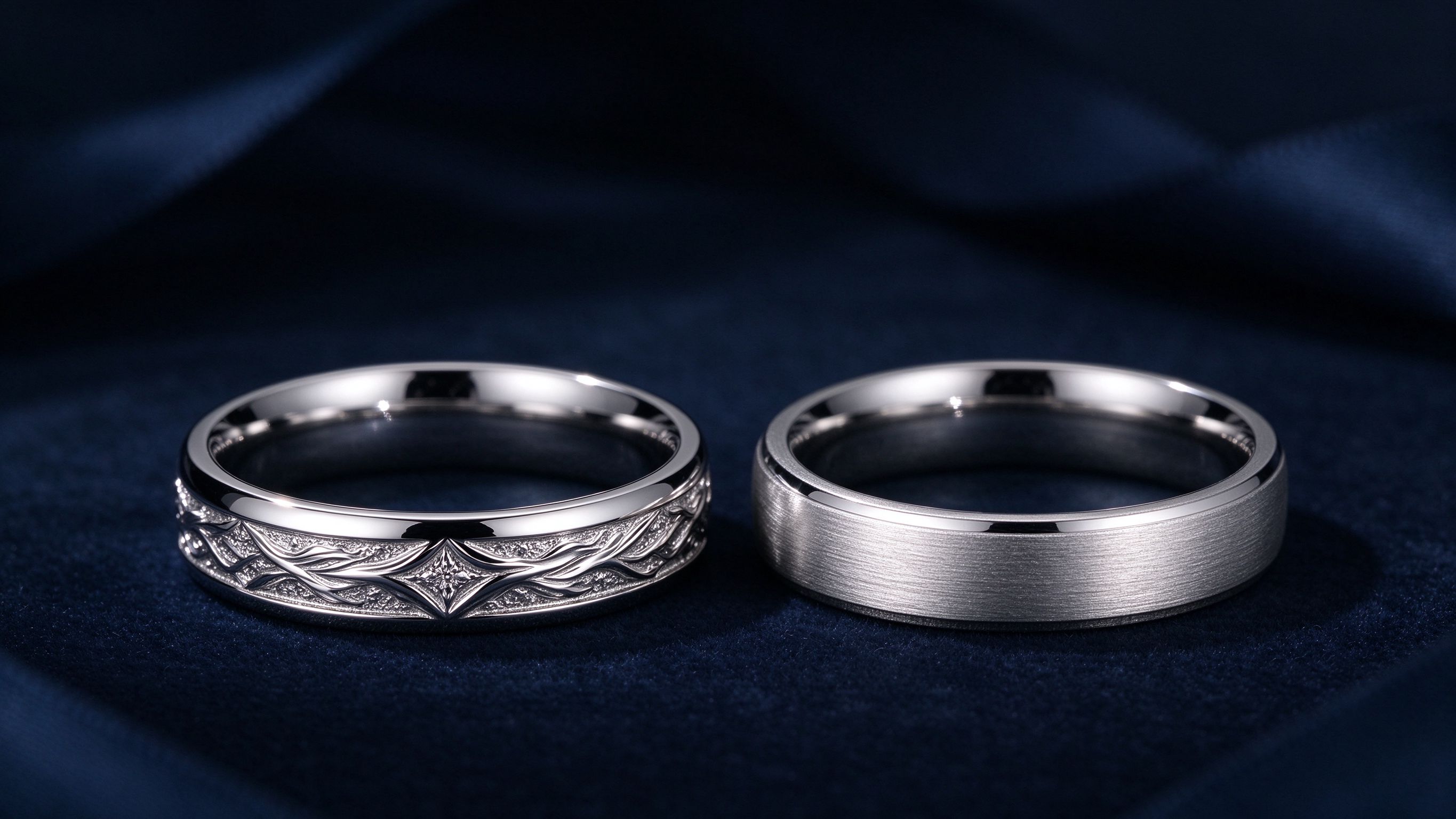
925 sterling silver = 92.5% pure silver + 7.5% copper. This standard dates back to 14th-century England and remains the international benchmark. 999 fine silver is 99.9% pure but extremely soft.
Hallmarks: 925 carries "S925" or "925"; 999 carries "Fine Silver 999" or "Ag999". Export to US/EU requires Sterling Silver compliance.
Pure silver has a Mohs hardness of just 2.5—soft enough to scratch with a fingernail. A 999 ring deforms in days, and gemstones cannot be set securely. Adding 7.5% copper raises hardness to 3.0–3.5, enabling intricate filigree, stone setting, and daily wear.
| Use Case | Recommended | Reason |
|---|---|---|
| Rings / earrings / stone-set pieces | 925 | Needs hardness for shape and setting |
| Bangles / traditional hollow silver | 999 | Desired weight and soft craft |
| Export OEM for Western brands | 925 | International standard |
| Investment / collectible | 999 | Higher silver content |
At the current Shanghai spot price of ~$1.90/gram:
Although 925 costs 7.5% less in raw material, processing is 10–15% more expensive due to alloying and harder polishing. Final factory quotes for 925 pieces typically run 10–15% above equivalent 999 weight.
Planning a 925 silver OEM line? Since 2012, MASCOT has served global jewelry brands with 50-piece MOQ and free sampling. Contact us for a quote.


