

 EN

 CN
 ES

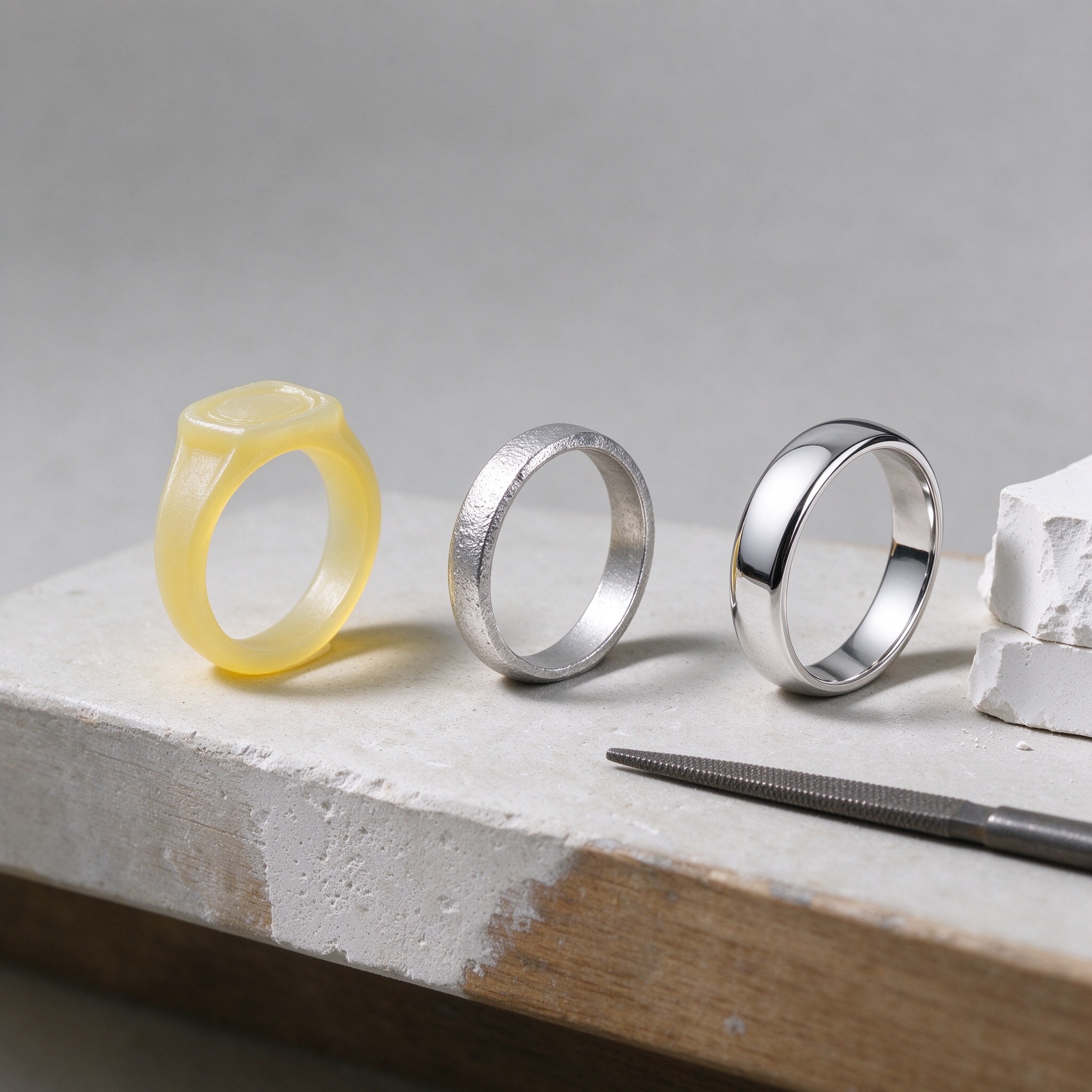
A silver MOQ is not an arbitrary number. It follows from three things: process, since lost-wax casting needs tooling and the mold cost must be spread over volume; material, since silver and stones have their own purchase minimums; and packaging, since custom boxes, tags and barcodes carry separate print minimums. The same plain silver piece in a pouch may start at 50 pieces, while a stone-set version in a custom gift box may start at 200. Negotiate MOQ by line item, not as one total.
Sampling runs in four steps: confirm artwork (dimensions, weight, setting, finish), produce a wax or 3D print to check shape and proportion, produce a silver sample to check real weight, polish and plating, then release to bulk after approval. Changes cost least at the wax stage. At the silver sample stage a shape change usually means a new mold, so settle form and proportion at wax and use the silver sample only to confirm hand feel, color and weight.
Excluding shipping: wax typically three to five working days, a silver sample five to seven working days after wax approval, and bulk commonly twelve to twenty working days, longer in peak season and for complex stone setting. The hidden delay is approval waiting, because every revision restarts a round. Getting the artwork right the first time beats pressing the factory on production time.
Mold cost is charged once per style and scales with complexity. Different sizes of the same design normally share one mold, with a changeable ring insert. Common models: collect on the first order and refund or credit once cumulative volume reaches an agreed quantity, or amortize the tooling into the unit price. Total cost is similar; the difference is cash flow and who carries the risk. Amortizing makes small runs expensive per unit, while collecting up front keeps small runs cheap but requires paying for tooling.
Put six items in writing before production: silver rate and quote validity; finished weight with tolerance, commonly plus or minus five percent; plating type and thickness; stone grade and setting security; packaging structure and print content; delivery date and inspection standard such as AQL 2.5. If any of these stays vague, it becomes the reason for rework or a deduction later. A signed sample approval sheet is more reliable than verbal agreement.
It varies by process, material and packaging. Plain silver in a pouch can start at a few dozen pieces; stone-set pieces or custom gift boxes usually require hundreds. Confirm by line item.
Most factories charge a sample fee covering silver and labor, usually creditable against the bulk order. Freight is normally paid by the buyer, per agreement.
Wax is the cheapest stage to change shape. Changing at the silver sample stage usually means new tooling and a restarted timeline, so settle form at wax.
A common practice is to refund or credit it once cumulative volume hits an agreed quantity; alternatively it is amortized into the unit price. Total cost is close.


