

 EN

 CN
 ES

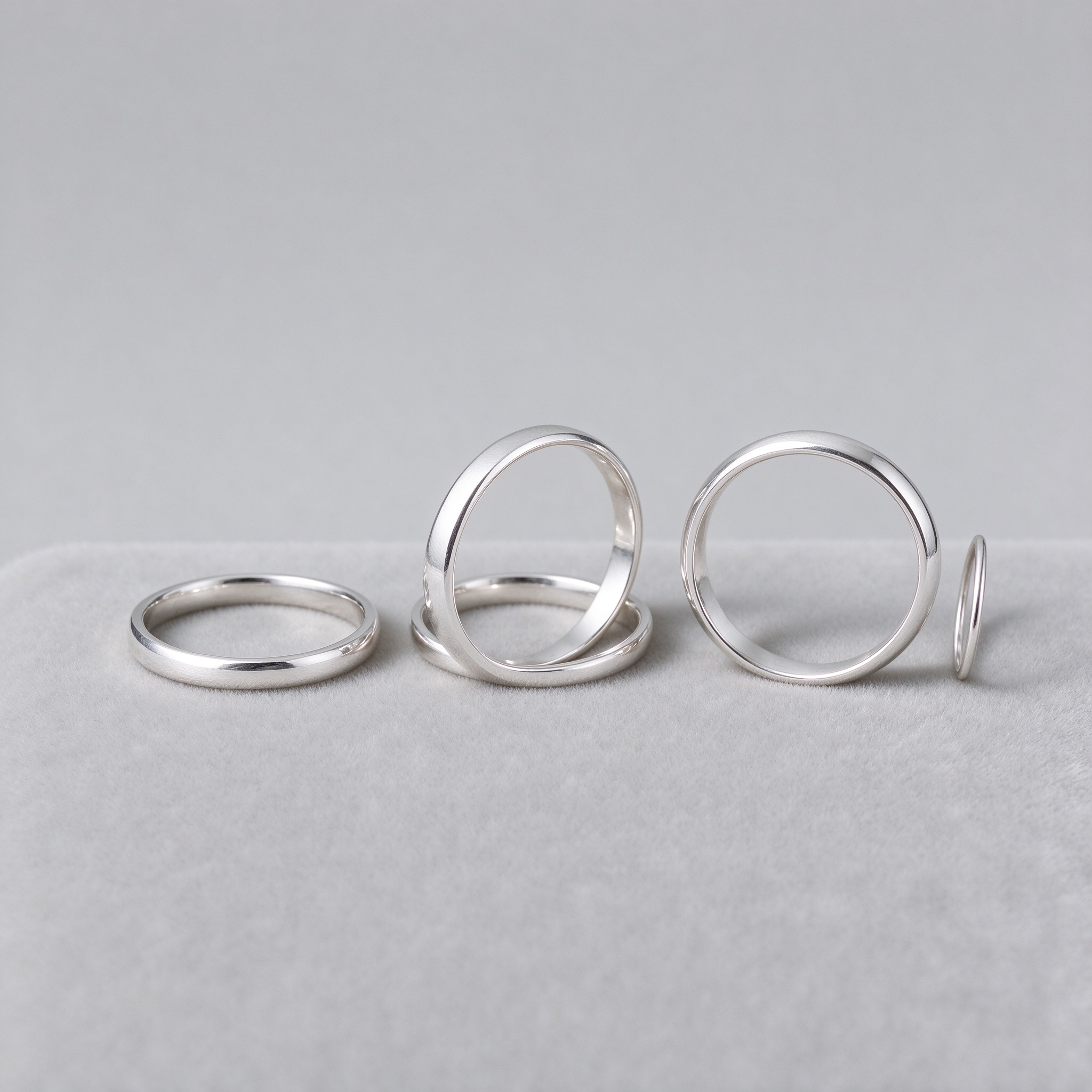
The most reliable method is to take a ring that already fits and measure its inner diameter with a caliper, in millimetres. Circumference is diameter times 3.14, so one measurement gives you both numbers. Paper strips and string are unreliable: the paper has thickness, the join buckles when you wrap it, and tension depends entirely on your hand. The same person measuring three times can land two millimetres apart, which is one to two full sizes. If you have no fitting ring, try a jeweller sizing set or ask the seller to send a plastic gauge ring; it costs far less than a return.
These are three separate systems. US sizes run 3 to 13 with half steps. EU charts usually state inner circumference in millimetres. HK charts use their own numbering, and the same digit means a completely different finger across systems. Do not convert with a rule of thumb such as subtracting a fixed number; always go back to millimetres. Fix your inner circumference, for example 54.4 mm, then ask the seller which number in their own chart matches it. One factory US 7 can sit between two sizes at another, which is the single most common mistake in cross-border ring buying.
The wider the band, the more contact area against the finger, and friction rises at the same inner diameter. A 2 mm plain band at size 12 may be perfect, while the same inner diameter in a 6 to 8 mm wide band usually needs half to one size up to avoid pinching. If you stack two or three rings, factor in the combined width, roughly half a size per extra ring. Open or adjustable bands tolerate more, so they are a safer choice when you are between sizes.
Finger volume changes through the day: thinnest in the early morning, fuller from afternoon to evening, and larger after exercise, salty food or heat, smaller after long exposure to cold. Measure between late afternoon and evening at room temperature, then repeat on another day to confirm. The same finger on both hands often differs by half a size, so decide which hand will wear the ring and note it on the order. During pregnancy, after significant weight change or for people who train hard, size up or choose a resizable design.
Plain bands can usually be resized within one to two sizes, though the inner wall shows marks and plated pieces need replating. Full-eternity settings, heavy stone coverage and deep inner engravings generally cannot be resized and must be remade. On cross-border orders the return shipping often costs more than the ring, so the pre-order check is where the money is saved: compare against two rings you already own, confirm whether the seller chart uses inner diameter or circumference, and keep your measurements and photos on file as evidence.
Rarely. Paper thickness and uneven tension typically introduce one to two millimetres of error, which is one to two sizes. Use a caliper on a ring you already own.
Often half a size apart, with the dominant hand slightly larger. Measure the hand that will actually wear the ring and note it on the order.
It may feel loose later, because fingers swell about half a size in heat. Choose half a size up or a design that can be resized.
Plain bands usually can, within one to two sizes. Wide bands and stone-set styles are limited, and plated pieces need replating after resizing.


