

 EN

 CN
 ES

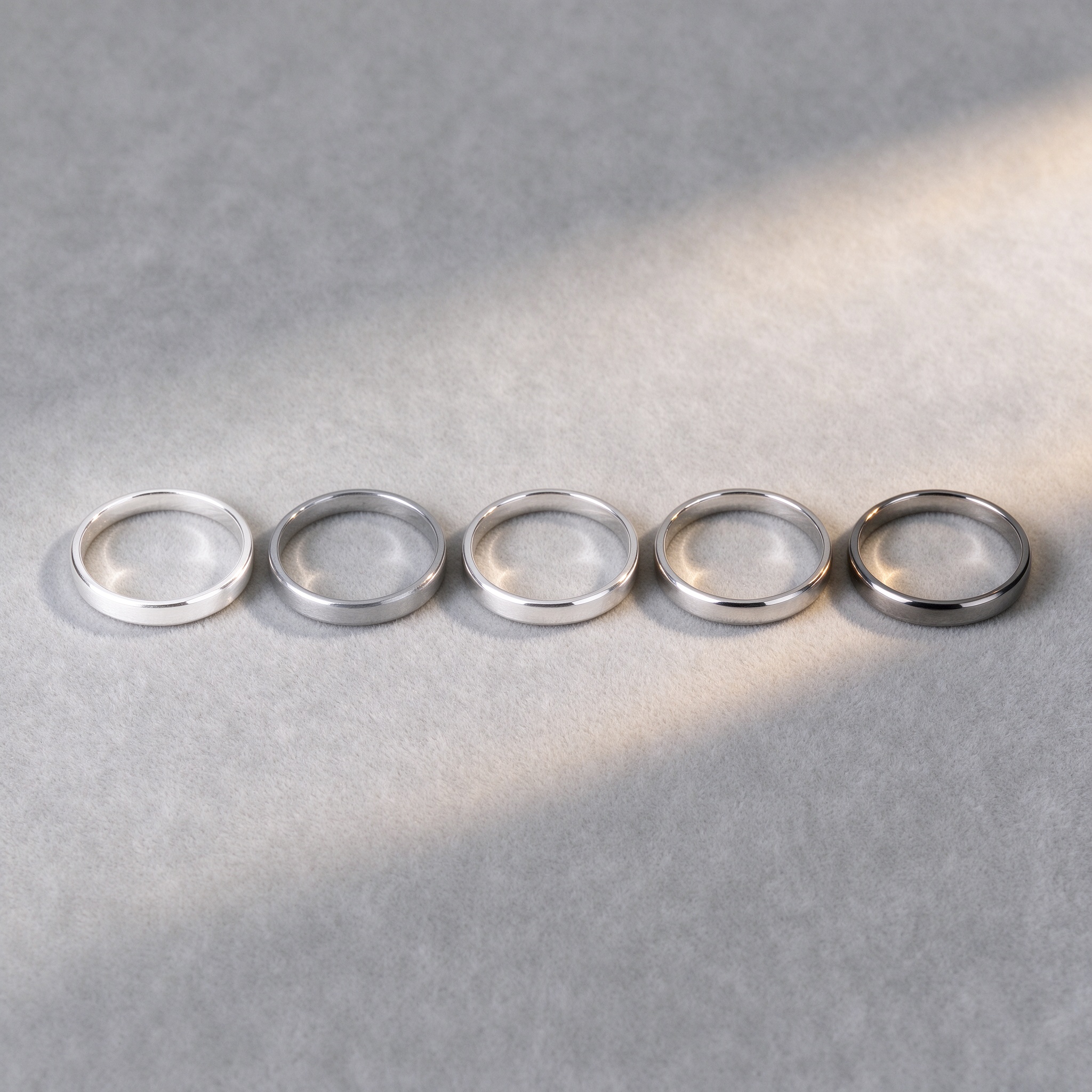
Plating colour shifts with five variables: bath concentration and temperature, current density, rack position since edges and centres plate at different thicknesses, the polish of the base since a brighter base plates brighter, and post-plating sealing or anti-tarnish treatment. Within one bath and one lot, edge pieces and centre pieces already differ slightly; across lots, bath aging, replenishment and rack changes widen it. So judge two separate things, variation within a lot, which is process uniformity, and variation between lots, which is stability, and write separate acceptance limits for each.
Step one is a sealed sample: approve and seal a master before production, keep one piece each side, sign, photograph and record the light source and angle. Step two is method: visual comparison belongs under D65 standard light or north-facing daylight, never under incandescent, warm white or phone flash, because a shift in colour temperature shows two different colours on the same piece. Step three is threshold: a colorimeter can read Delta E, and a common arrangement is within-lot below 1.5 and between-lot below 2.5, beyond which the lot fails. Without an instrument, compare visually against the sealed sample and agree on how many judges and under what light. Leave the threshold out of the contract and you are left with opinions.
Common arrangements: ring inner diameter plus or minus 0.2 to 0.5 mm, tighter for wide or cast pieces and looser for thin walls; chain length plus or minus 5 mm or a percentage; finished weight plus or minus 3 to 5 percent; setting position within 0.3 mm; post diameter within 0.05 mm. These are negotiated values, not statutory standards, so what matters is that they appear on the approval sheet and are measured on the first article. When silver is expensive, weight drift is money: 1,000 pieces short by 0.2 g each is 200 g of silver.
Sample size follows lot size, with AQL 2.5 for major and 4.0 for minor defects as common practice. Colour is better sampled and judged separately, because its distribution cannot be gauged with a measuring tool the way dimensions can. Grade defects in three levels: critical, such as breakage, lost stones, exposed post tips or blistering and peeling plating; major, such as obvious colour deviation, out-of-tolerance dimensions or a missing mark; minor, such as light scratches or under-polishing. The grade decides the remedy: critical means remake, major means rework or allowance, minor is usually accepted with a proportional discount.
Four things belong in the clause: the basis for judgment, meaning sealed sample, Delta E threshold, sampling ratio and lighting; the remedy ladder, meaning rework, price allowance or remake and when each applies; time and cost, meaning whether rework pushes the delivery date and who pays freight both ways; and records, meaning first-article report, sampling log, photos and video. The single most effective practice is first-article approval: make five to ten pieces before mass production, confirm colour and dimensions, then run the lot. That prevents most disputes. Arguing about colour after the full run always costs more.
Whatever the contract states. A common rule is within-lot Delta E below 1.5 and between-lot below 2.5, compared against a sealed sample under D65.
For cast pieces, plus or minus 3 to 5 percent is commonly agreed, depending on style and process. Beyond that, short weight is credited or reworked.
Plating cannot deliver absolute uniformity; slight variation exists within a lot. Agree an acceptable band rather than demanding zero difference.
Depends on the agreed threshold and whether a sample was sealed. Past the threshold you can claim rework or an allowance; full rejection usually applies to critical defects.


