

 EN

 CN
 ES

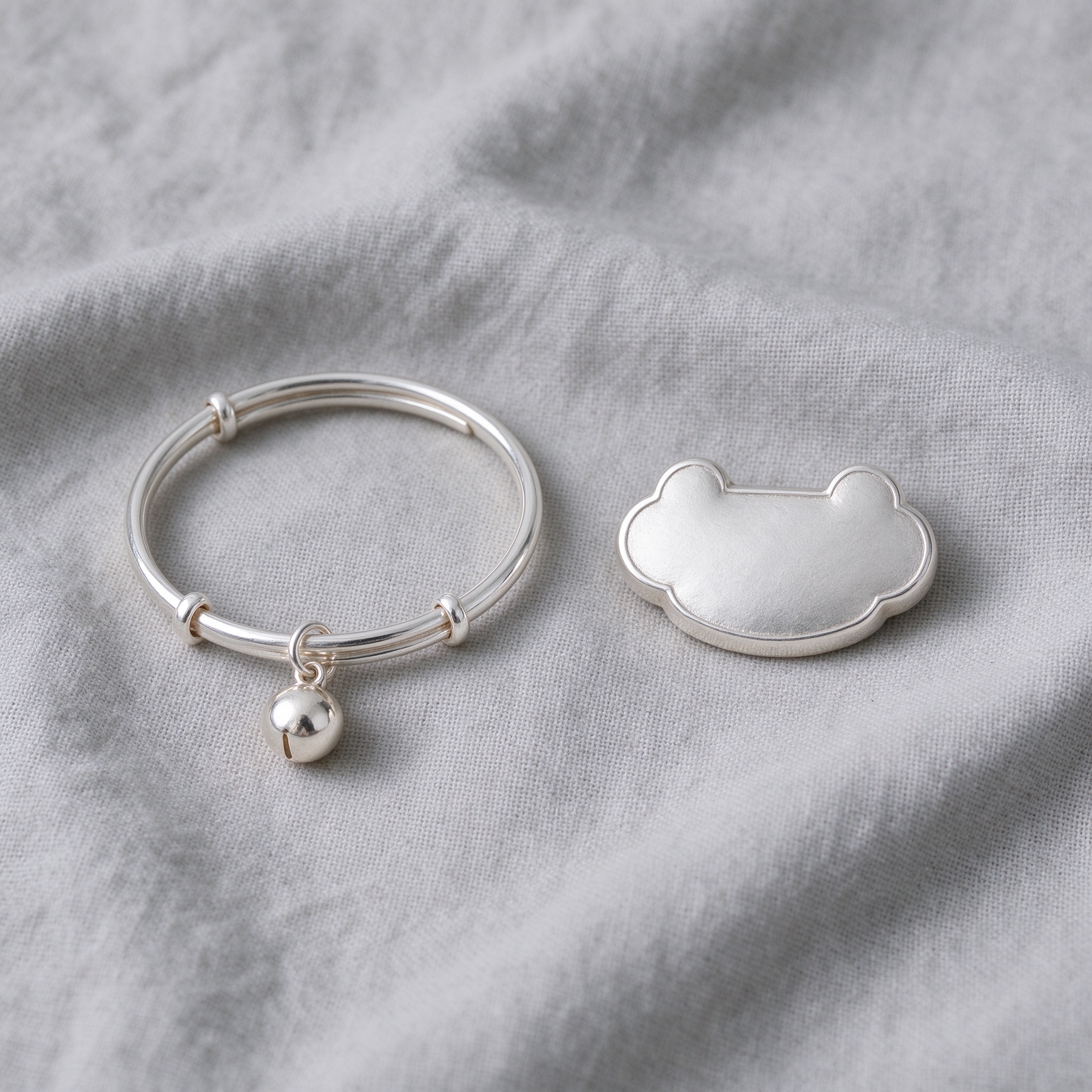
In the US, two instruments matter: CPSIA sets lead limits for children products, separately for substrate and surface coatings, and restricts small parts and phthalates for products under three; ASTM F2923 is the dedicated children jewelry safety specification covering heavy metals, mechanical and chemical requirements. In the EU, EN71-3 governs migration of nineteen elements under toy safety rules, and REACH Annex XVII applies, with nickel release tested to EN 1811 and EN 12472 simulated wear. China has its own limits for harmful elements in jewelry. For cross-border sales, design to the strictest target market rather than to the factory habit.
Real recalls are dominated by detached small parts and cord strangulation. Key points: detachable components must pass the small parts cylinder, and products for under-threes must contain no part that fits entirely inside it; bells and pendants need pull and torque testing so they cannot come loose and be swallowed; chain and cord lengths must be controlled to avoid neck entanglement; earring post tips must be rounded and never exposed; magnetic clasps are a high-risk structure for children and best avoided. Most of this can be predicted without a lab: hand a sample to a three-year-old for ten minutes, and anything that comes off is a hazard.
The base metal must be a compliant silver alloy, and solder must contain no lead or cadmium; many low-cost failures sit in the joint and the findings rather than in the silver. Enamel and coatings need migration testing, and brighter colours more often carry heavy metal pigments. Plating must meet nickel release limits, especially for studs in prolonged skin contact. Engraving and colour fill also matter: deep engraving filled with paint loses coating as it wears and children may chew it, so children styles are better limited to light laser marking with no fill. Put these requirements into the sample spec, not into a post-failure fix.
Children jewelry must state an age grade. Products with small parts are generally not for under-threes, packaging needs a choking hazard warning, and it should carry manufacturer or importer identity, batch or model, material and care instructions. EU rules add language and warning requirements. A warning is not a liability shield: labelling does not relax the safety requirement, but missing labels and missing batch traceability make any inspection or complaint far more expensive to handle.
The practical order: confirm test scope for the target market, such as CPSIA lead, EN71-3 migration, nickel release and phthalates; send samples to an accredited third-party lab; keep a sealed reference from the same lot; file the report together with the model and batch it covers. Any change in material, solder, coating or supplier should trigger a reassessment of whether retesting is needed. In selection, favour simple structures with no small parts, no colour fill and no magnetic clasps; for gift sets, every piece must comply individually, not just the main item. A report is evidence, not a shield, and production consistency is what keeps it safe over time.
Yes, provided the piece meets the target market heavy metal and small parts rules. Material compliance is only the first layer; structural safety matters as much.
Commonly CPSIA lead, EN71-3 migration, nickel release, plus small parts and pull testing by structure. Confirm the exact scope for your market.
Generally not when small parts are present, given swallowing and strangulation risk. If needed, choose one-piece designs with no detachable components.
Reports map to a specific model and batch; there is no universal expiry. Reassess when material, process or supplier changes.


