

 EN

 CN
 ES

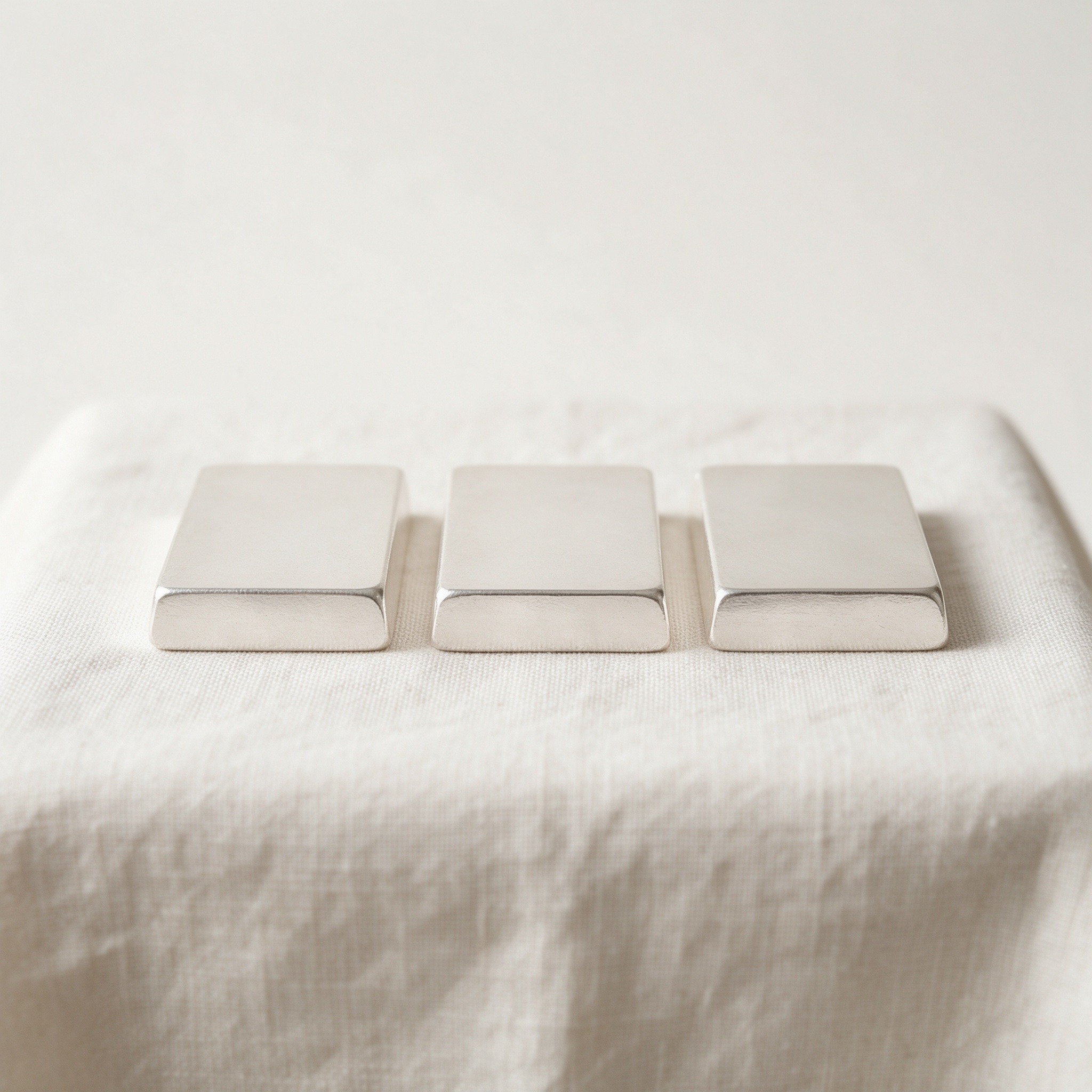
Sterling 925 is 92.5 percent silver, mostly balanced with copper. 950 is 95 percent silver with 5 percent copper, and 999 fine silver is 99.9 percent, essentially pure. All three look white, but they feel different: 925 is the hardest and rings crisp when dropped, while 999 bends easily by hand and collapses at the edge when stamped. Suppliers like to sell “fine silver” as a premium, yet it does not mean better performance, only softer metal that needs thicker sections to hold a shape.
Higher silver content also reads slightly warmer in tone. Tarnish behaves differently too: high-silver pieces tend to go evenly grey, while 925 with its copper can darken in patches. Antique finishing actually exploits that contrast, as covered below.
Annealed 925 sits around 60 on the Vickers scale and work-hardening raises it noticeably; 950 and 999 are progressively softer. That gap sets the structural ceiling: thin chains, thin-walled bands, earring posts and spring clasps all concentrate stress at sections under one millimetre, so use 925. Heavy plain bands, wide pendants and tags work fine in 950. 999 suits stamped and engraved traditional designs and children bangles, but wall thickness has to increase or the piece deforms in the hand.
The usual mistake is applying “the purer the better” to everything and running fine chains in 999, which then stretch and open at the clasp. Ask what hardness the structure needs rather than which grade ranks highest.
Tarnishing is a sulphide reaction and only loosely tied to silver content. Copper in 925 sulphides too, usually starting locally and leaving dark spots, while 999 greys more evenly. High humidity and sulphur-bearing materials such as rubber, wool and some wrapping papers accelerate it. What really drives resistance is surface treatment: rhodium, white gold plating, anti-tarnish coating, and whether packaging uses sulphur-free paper.
Promising customers that your silver never tarnishes is not professional. What you can promise is how long, in which conditions, and to what degree discolouration counts as normal, plus how to clean it up.
Antique sulphide finishing works best on 925: copper helps the recesses take colour and gives crisp depth. On 999 it takes weakly and needs a stronger or longer bath. So using 925 for a deep antique look is a sound engineering choice, not corner cutting. Plating is likewise independent: 925 can be rhodium plated for a cool white, and so can 999, but the colour revealed when plating wears differs.
Quote the three things separately, grade, surface treatment and antique depth, and inspection has a basis later.
First, silver content with tolerance, not just “925” but 92.5 percent plus or minus 0.5. Second, material condition, annealed or work-hardened, since that drives hardness. Third, stamp content and position. Fourth, verification: XRF sampling, titration, or a third-party report shipped with the goods, plus the sampling ratio and reject handling for incoming inspection. With all four written down, grade disputes basically disappear.
One more note: when quotes differ widely, ask about grade and condition before process. Two suppliers quoting “925” may be quoting annealed and work-hardened metal at different costs.
It carries more silver by weight, but jewellery value sits in craft and design. Fine silver is soft, deforms easily and raises repair rates, so total cost of use may be higher.
Thin chains favour 925 for tensile strength; heavier chains and pendants can use 950. Wire diameter and hollow versus solid construction matter as much as grade.
No. Tarnish is a sulphide reaction driven by environment and surface treatment. Copper in 925 darkens in patches, 999 greys evenly, and both need dry, sulphur-free storage.
Ask for a test report with the shipment and run incoming XRF sampling, or compare weight against density. Sample by lot and widen sampling when a single piece fails.


