

 EN

 CN
 ES

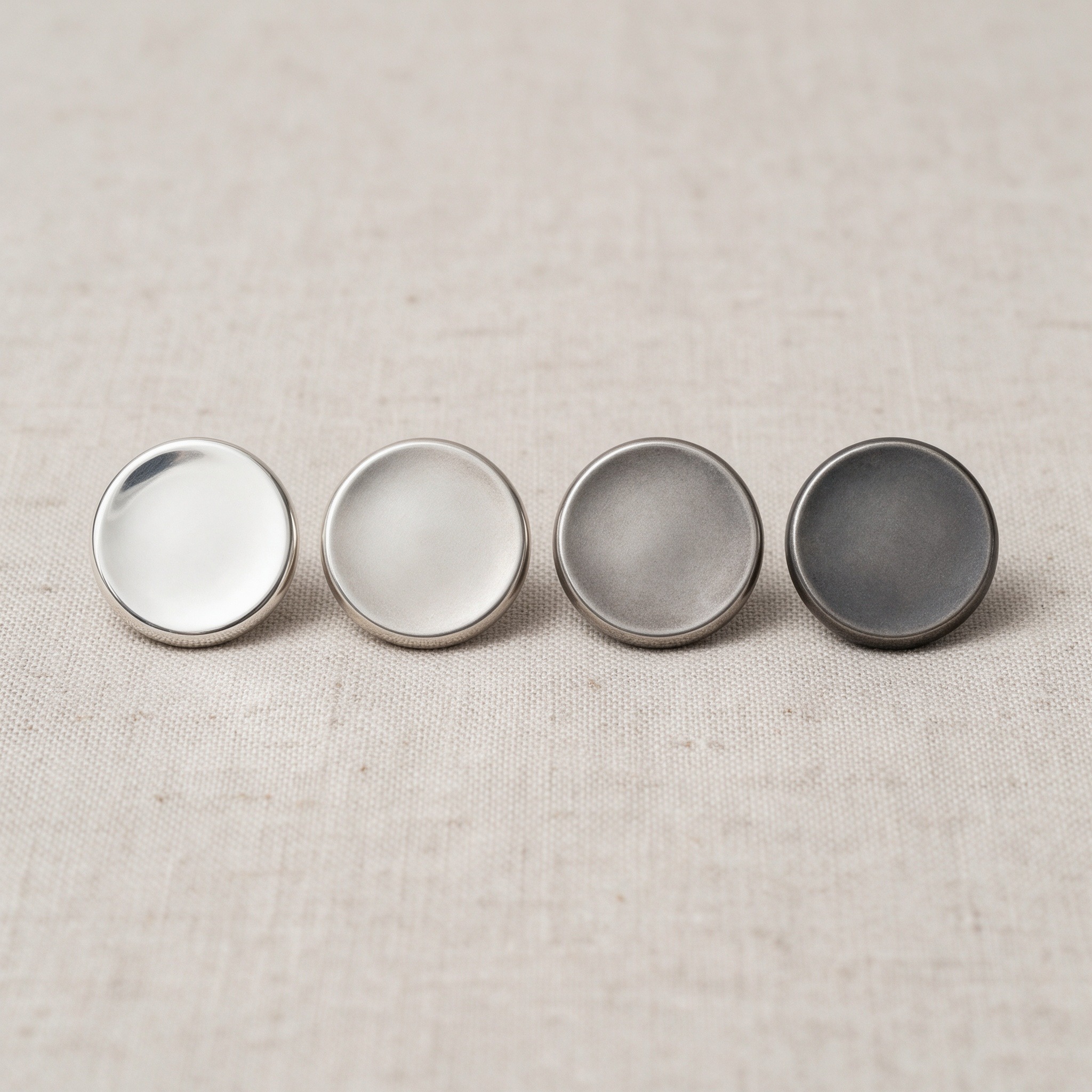
Antique finishing accelerates sulphidation: silver reacts with a sulphur-bearing bath to form silver sulphide, shifting from pale grey to near black. The route is usually degrease, antique bath, neutralise, rinse and dry, and some designs then get local polishing that removes the layer from high points and leaves it in recesses. So “antique” is a sequence, not a single step.
That matters because the depth a customer sees is the combined result of bath time and later polishing, not one dial.
Three parameters: bath concentration, dwell time and temperature. Stronger, longer and warmer all darken. A bath also weakens as it is used, so the first and last pieces of a run differ unless you replenish and time strictly.
The other variable is preparation. Incomplete degreasing leaves residue that takes colour unevenly and produces patchiness; incomplete rinsing leaves bath in the grain that keeps reacting after packing, so the goods arrive darker than they left. Both are easier to overlook than concentration.
The look depends less on darkness than on contrast: dark recesses, bright highs. The usual method is to antique the whole piece, then polish the high surfaces back to silver with a wheel, leaving recesses dark because the wheel cannot reach them. Polishing pressure and time set the strength of contrast and whether edges get cut through.
Too much contrast looks artificial; too little reads as neglect. In practice a medium to strong difference in lightness between recess and high works best, and that band should be fixed at golden-sample stage.
Patchiness comes from poor degreasing or insufficient agitation. Over-black comes from long dwell or strong bath without follow-up polishing. Fading comes from incomplete neutralising, where residual sulphur keeps reacting. Local misses come from oil spots, fingerprints or plating. One case is often misdiagnosed: rhodium-plated pieces take no colour, so antique must be done before plating, or not at all.
All of these are solved by preparation and timing. “Leave it in longer” only widens batch variation.
Check three places: even colour in recesses, clean polishing on highs, and no cut-through at edges. Write the depth grade (light, medium, deep), neutralising and rinsing requirements, allowed colour tolerance and the golden-sample number into the spec. Judge batches against a colour card, sampling five pieces and rejecting when two or more fall outside.
Always keep a sealed sample. Antique finishing is one of the most subjective operations, and without a physical reference every argument returns to “I think it is too dark”.
It can, when neutralising and rinsing are incomplete: residual bath keeps reacting and the colour drifts darker or muddier in storage. Properly processed sulphide is stable and only lightens slowly with wear.
Yes, and that is exactly how contrast is controlled. Local polishing brightens highs and keeps recesses dark, but over-polishing cuts through edges and exposes silver, requiring re-antiquing.
No. 925 with copper takes colour fast and contrasts strongly; 999 fine silver takes it slowly and lightly, needing a stronger or longer bath. Never apply one parameter set across mixed grades.
Translate it into samples: produce light, medium and deep versions, let the customer choose, number the sealed reference and compare production against it. Text descriptions alone always drift between batches.


