

 EN

 CN
 ES

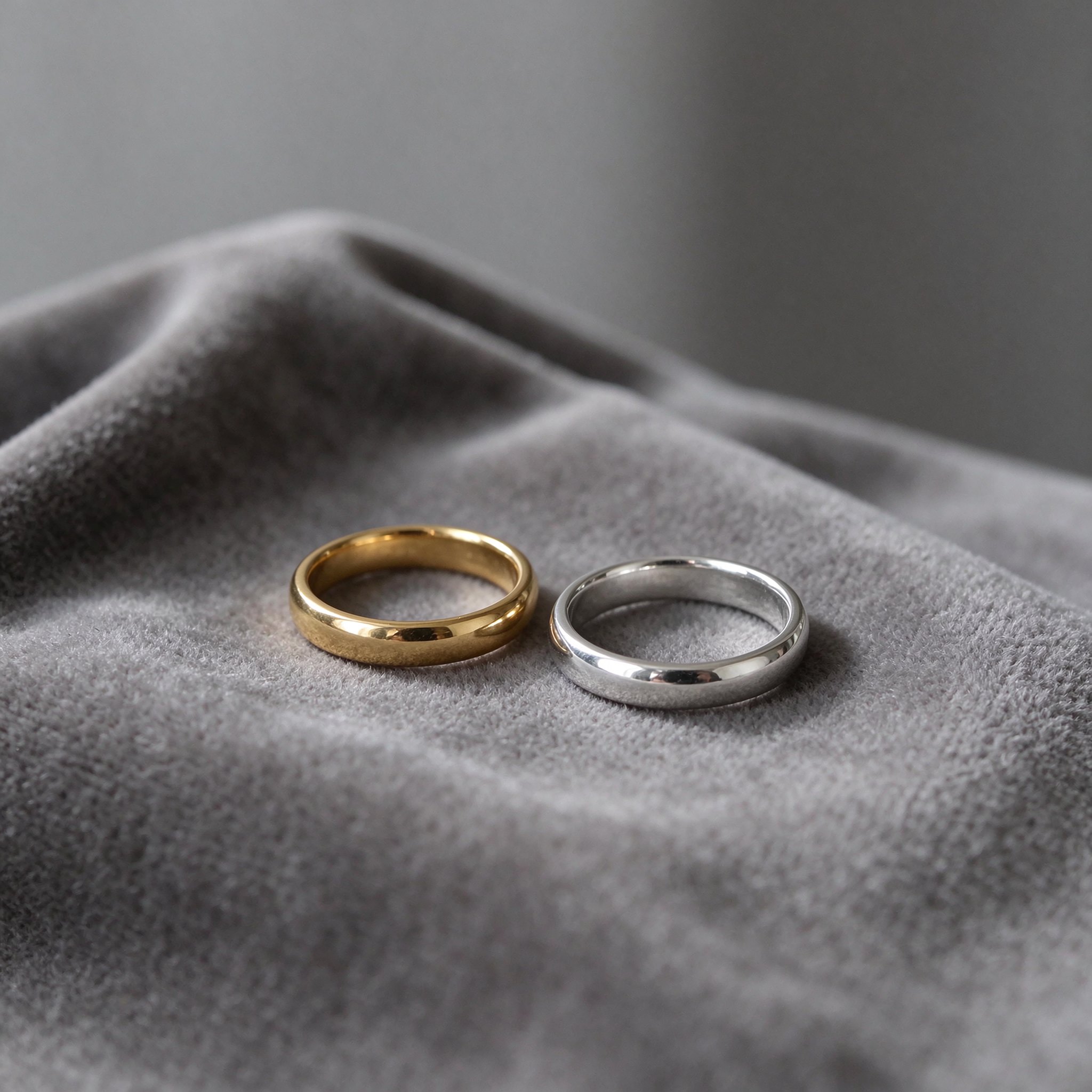
Sterling silver is a solid 92.5 percent silver alloy, naturally silver-white and available with gold plating. Gold plating usually means a thin electroplated gold layer over an alloy or silver base, mainly for colour. Gold filled mechanically bonds a gold sheet over a metal base, with a thicker gold layer than plating, often marked by thickness and coverage. Cost roughly rises from alloy plating, silver plating, gold filled to solid silver; unclear base wording on a quote causes most misunderstanding.
Electroplated gold is measured in microns; a decorative layer is very thin and may show base colour after weeks to months of daily wear, while thicker plating over a strike lasts longer. Gold filled bonds mechanically and resists wear better than plating, though edges and bends show base first. Sweat, perfume and friction also affect durability. Do not judge durability by shine alone; ask for base, gold thickness and test standard.
Vermeil generally means 925 silver plated with gold, and international markets often set gold thickness and purity requirements, subject to the target market rules. A common mistake is calling alloy plating vermeil, or grouping solid gold, filled and plated under gold jewellery. A silver hallmark reflects the silver base, not gold content. Quotes and labels should split silver base and gold layer so buyers do not read it as solid gold.
Price-sensitive fast movers may use alloy plating, with the alloy base stated on the label; buyers wanting low sensitivity and quality with some resale value choose solid sterling or silver plating; those needing a more durable gold look can evaluate gold filled. High-frequency daily wear suits thicker plating on a stable base; gifts and memorials prefer low-sensitivity materials. Metal labelling and nickel-cadmium rules differ by market, so confirm target-market wording before choosing the base.
Write five items into the spec: base metal, 925 silver, alloy or gold-filled base; surface metal and plating thickness; whether a strike layer was used; hallmark position and content; test requirements such as salt spray, artificial sweat or metal-content assay. Do not replace material with vague words like gold-colour or gold jewellery. Samples check weight, base colour at worn spots and plating evenness; bulk goods are accepted against the sealed sample and test standard.
The base colour shows once the gold layer wears through; this is plating wear. Thickness, strike process and wear habits decide how long it lasts; sweat, perfume and friction accelerate it, so quote the plating thickness.
No. Gold filled bonds a mechanically pressed gold sheet, thicker and more wear-resistant; plating is a thin electro layer, cheaper and faster to wear. Quote both gold process and thickness separately.
A silver base can carry the 925 mark, but the mark only indicates the silver base, not gold content. The label should say 925 silver base with gold plating to avoid reading it as solid gold.
Check the hallmark, compare weight by density, and ask the supplier to state the base or provide an assay report. A magnet only rules out iron; copper alloy is non-magnetic, so do not judge by magnet alone.


