

 EN

 CN
 ES

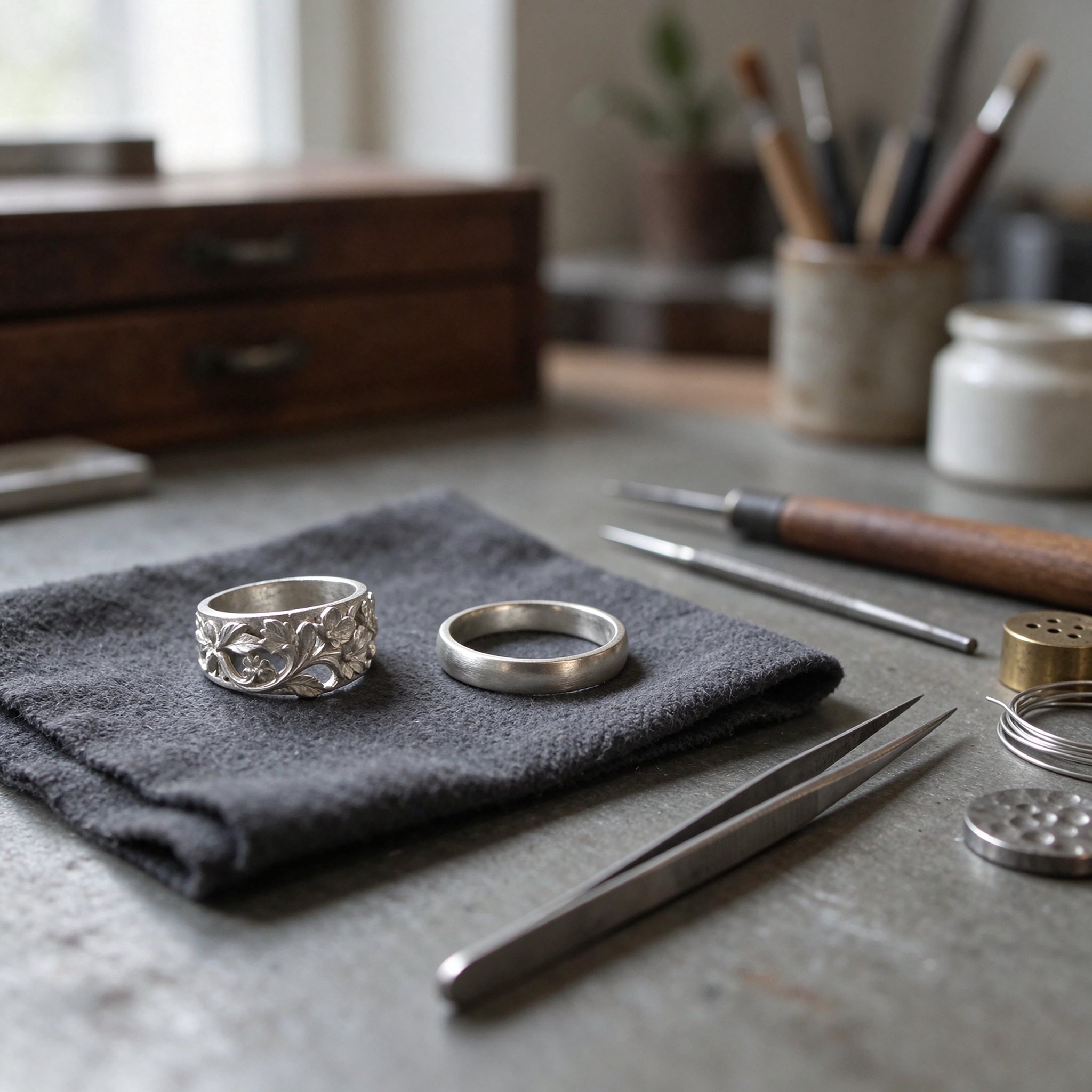
First fix the goal: reference image or physical sample, material, 925 silver, plating or alloy, main stone type and size, piece count and target budget. Hand sketches, web images or physical samples all work; the more specific, the fewer revisions. This step confirms wear scenario, sizing and deadline, and writes easy-to-misread details, stone shape, line thickness, polish level, into the brief. If material is incomplete, collect more images first instead of starting on guesswork.
The factory produces a 3D CAD model from the brief, marking size, thickness, stone seats and structure. The client confirms silhouette, proportion and details, with multi-angle renders when needed. Design changes cost least at the 3D stage, where lines, stone seats and proportion are adjusted. Only after approval does model making start; skipping drawing approval and opening the mould directly usually leaves the largest gap between piece and expectation. Sample lead time varies with complexity; standard silver pieces often take days to about two weeks.
After drawing approval comes the model: wax carving or 3D-printed resin, then moulding and casting into a metal blank. Silver pieces usually use lost-wax casting, which can leave pores, short feed or distortion requiring finishing. This step decides whether the structure works; load-bearing parts such as bails, links and prongs are checked on the model. Structural feedback still works at model stage, but larger changes take longer. After casting comes finishing: seam smoothing, pore filling and band reshaping.
After finishing the blank, stones are set: prong, bezel or pavé hold main and side stones, checking seat tightness and tucked prongs. Then polish, plating where gold or bright white is wanted, and surface detail work. Revision room shrinks at setting and polishing, limited to stone seats, brightness and surface flaws. The finished sample is checked for weight, size, stone shine and wear security before client approval.
Once approved, the sample is sealed and recorded for material, plating, stone type, size and craft standard. Bulk production opens moulds or duplicates the master against the sealed sample, with a first bulk piece compared back to it. Before ordering, confirm material and hallmark, plating thickness and colour, stone grade, size range, packaging and acceptance standard. Finish leftover sample-stage issues before sealing, so bulk goods do not copy a flawed master and need whole-lot rework.
Standard 925 silver pieces usually take days to about two weeks from drawing approval to sample; complex setting or large pieces take longer. Lead time depends on revision rounds, stone preparation and craft complexity, so agree checkpoints before ordering.
The 3D model matches line and proportion closely, but metal thickness, stone reflection and three-dimensional wear feel differ. Confirm thickness and details at drawing stage to reduce the real-piece gap.
Changes cost least at 3D stage; after model making, revisions need remodelling or recasting, raising cost and lead time. A sample adjustment is usually reserved; number of rounds and fees should be agreed before the order.
Seal the sample and record material, hallmark, plating, stone grade, size, packaging and acceptance standard; compare the first bulk piece against the sealed sample before scaling production.


