

 EN

 CN
 ES

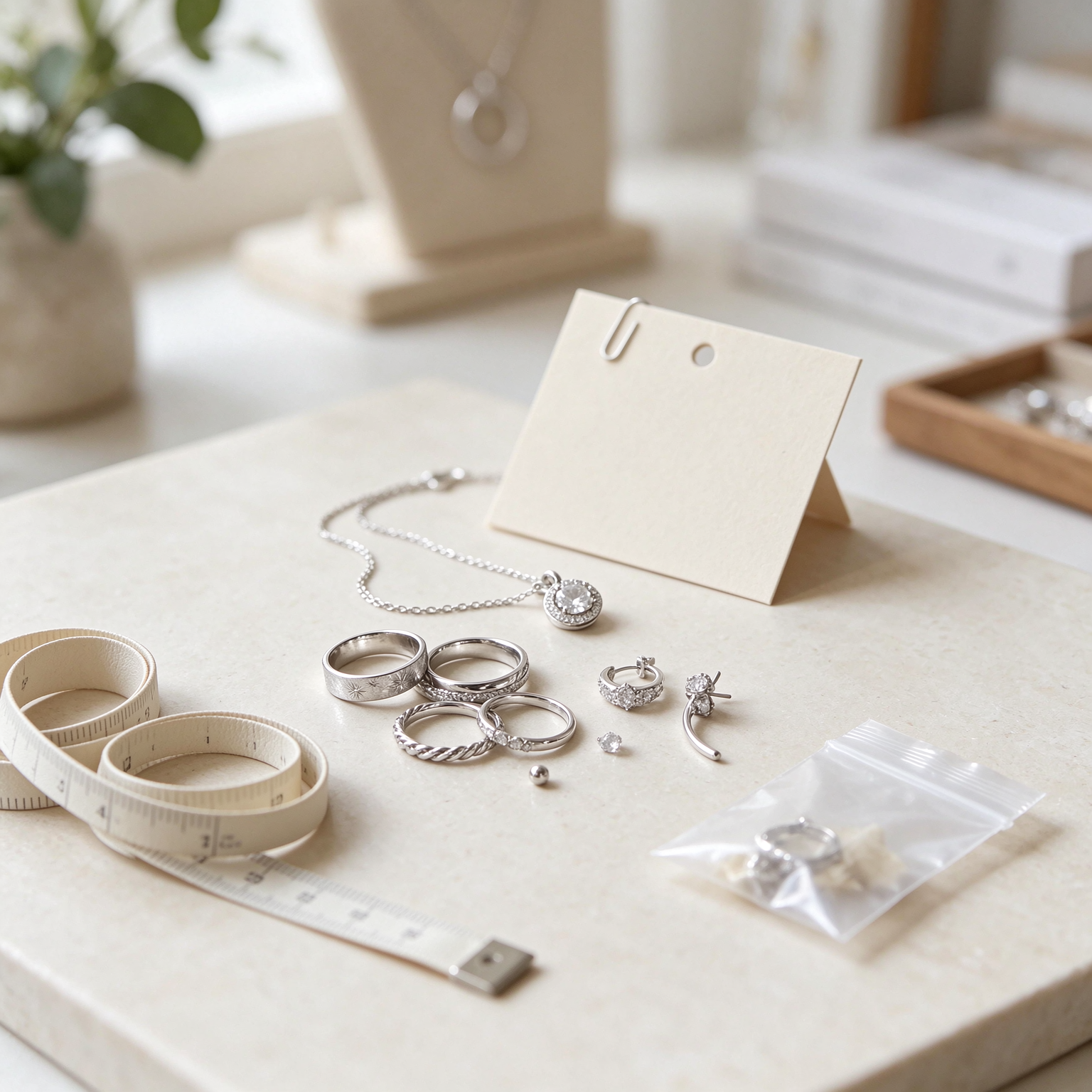
The usual flow: customer supplies a design or picks a style, the factory assesses craft and quote and sends an initial sample; the customer tries it for size, colour and craft and feeds back revisions; the factory adjusts and sends a revised sample for sealing; after sealing, bulk production starts. Custom pieces may take two or more rounds. The sample stage confirms material, stone, plating, size and packaging to avoid a late direction shift. Sample fee, sampling cycle and sample ownership are agreed up front.
The sealed sample is the bulk baseline: once approved, both sides keep a sealed piece or photos recording material, size, colour and craft details. The first bulk piece is checked against the seal before mass production. Checks cover stone type and colour, plating tone, finish, size tolerance, polish and findings. Natural stones and plating may vary slightly by batch, so the allowable range is agreed at sealing to avoid post-hoc item-by-item rejection.
Colour, size and craft defects are fed back at the matching stage: sample-stage changes, first-piece craft direction, and batch issues pause the lot for discussion. Reports should carry photos, measurements and a sealed-sample comparison so the factory can locate the cause. Common issues are plating shade shift, stone mismatch, loose solder, surface scratches and wrong findings. Lots beyond tolerance are reworked, replenished or credited per agreement.
After order confirmation, agree sampling cycle, bulk lead time and split delivery. Follow the nodes: material, model making, forming, setting, polish and plating, QC and packaging. Track each stage against the deadline and flag delays early. Custom pieces often slip at model making and setting, so build buffer in. After bulk finishes, QC and pack before shipping; lead-time terms go into the order confirmation.
One, sealed-sample standard and how it is kept; two, sample fee, sampling rounds and cycle; three, bulk lead time, splits and delay handling; four, colour and size tolerance, rework and replenishment terms; five, QC ratio, packaging and after-sales responsibility. State material, craft, findings and acceptance standard before ordering; go to bulk only after sample approval, keeping photos and records through follow-up.
It depends on complexity: standard styles close after one round, custom pieces often two to three. Agree sample fee, cycle and ownership up front; start bulk only after sealing.
Natural stones and plating may vary slightly by batch, so agree a tolerance range at sealing. Clear colour or size beyond range counts as a defect and is reworked or replenished per terms.
Report to the follow-up contact at the matching stage, with photos, measurements and a sealed comparison. Revise at sample stage, check direction at first piece, pause batch issues before discussion.
Sealed-sample standard, sample fee and rounds, bulk lead time and splits, tolerance and rework, QC packaging and after-sales. State material, craft, findings and acceptance before ordering.


