

 EN

 CN
 ES
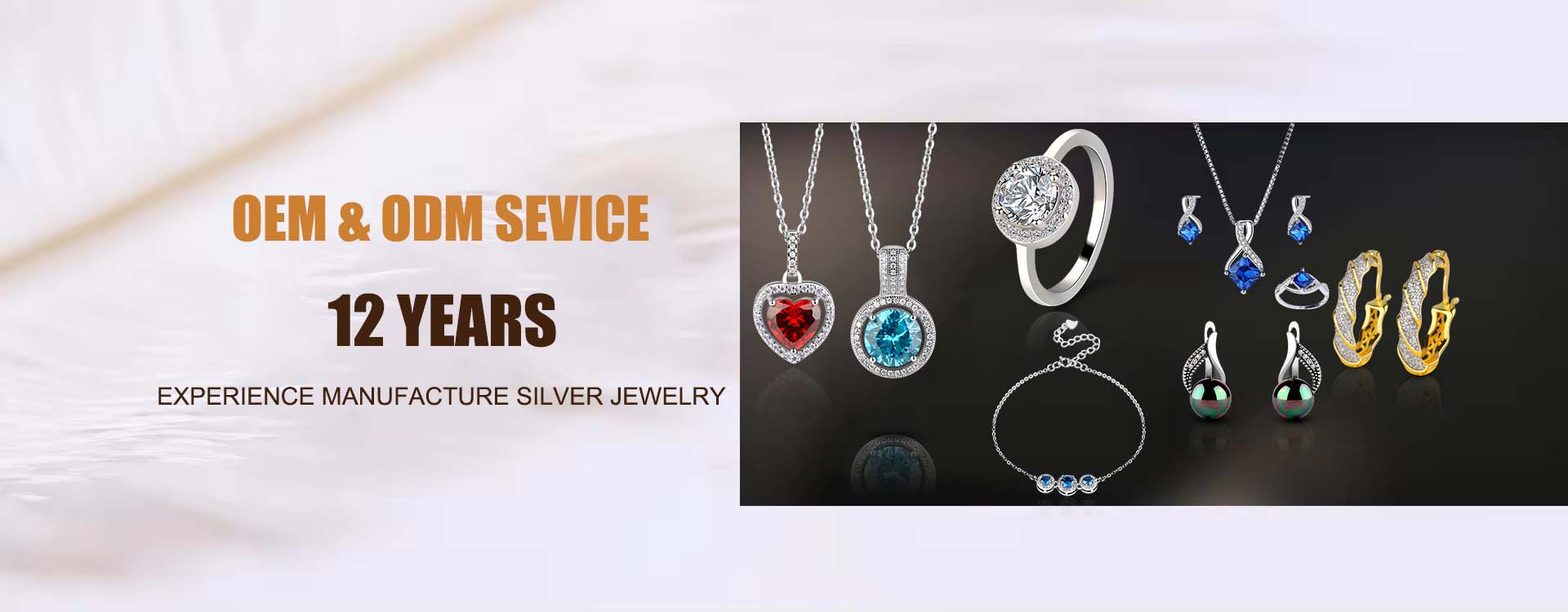
925 silver contains 92.5 percent silver and is hard enough for stone setting and daily wear, making it the international mainstream. 999 fine silver is 99.9 percent silver, softer and more visibly precious, but it deforms easily. Alloys such as copper, stainless steel and zinc alloy are cheaper and offer many styles, yet they tarnish faster and can cause skin reactions. Choose by wearing scenario, budget and willingness to maintain.
925 silver is made of 92.5 percent silver and 7.5 percent copper, at roughly 70 to 80 on the Vickers scale. It can hold cubic zirconia or moissanite securely without bending easily. It accepts rhodium or 18K gold plating well, which extends color life. The trade-off is that silver still sulfides and darkens with sulfur and sweat, but this can be restored with a polishing cloth and occasional re-plating. Affordable fashion silver and export orders almost always use 925 silver.
999 fine silver has the highest silver content, a softer white tone and a strong sense of preciousness. It is common for silver bars, plain bangles and traditional craft jewelry. Because it is soft, stones set in 999 silver loosen easily, thin chains break under tension and the surface scratches readily. It suits buyers who prefer plain styles, wear occasionally or value bullion.
For daily wear, lasting color and stone setting, choose 925 silver. For investment value, plain bangles and traditional craft, choose 999 fine silver. For cheap fast fashion worn for one season, choose quality copper-plated or stainless steel. Whatever you pick, verify the stamp and buy through reputable channels.
MASCOT Jewelry focuses on 925 sterling silver and 18K gold plated pieces, and can also develop alloy styles on request. Our OEM and ODM service exports to more than 50 countries; request our catalog for samples.


