

 EN

 CN
 ES
Silver soldering joins pieces locally at 650 to 740 degrees Celsius using solders of different melting points. After soldering, the piece must go through coarse grinding, fine grinding and cloth-wheel polishing to remove fire scale and seams; only then does it reach an even mirror shine. Poor torch control causes burn-through, black seams or unwanted melting of neighboring parts.
Silver solder comes in high, medium and easy grades. High-temperature solder, around 740 degrees C, is used first for main joints; medium, around 700 degrees C, follows; easy, around 650 degrees C, is reserved for final repairs. Working from high to low prevents later heat from melting previous seams. Solder is an alloy of silver, copper and zinc; higher silver content matches the color of 925 silver more closely.
Polishing splits into grinding and final buffing. Grinding uses files, belts and wool wheels to smooth solder marks, pits and file lines. Final buffing uses a muslin wheel with green or brown compound at high speed to reach a mirror shine. Pieces headed for plating are polished first, then sent to the plating shop for rhodium or 18K gold, which further brightens the surface and slows tarnish. Intricate openwork pieces need masking during polishing so the cloth wheel does not snap thin wires.
Typical problems include porosity caused by greasy surfaces, cold joints that look joined but are not fused, overheated blackened areas and lost edges from over-buffing. These are corrected during rework by an experienced bench jeweler.
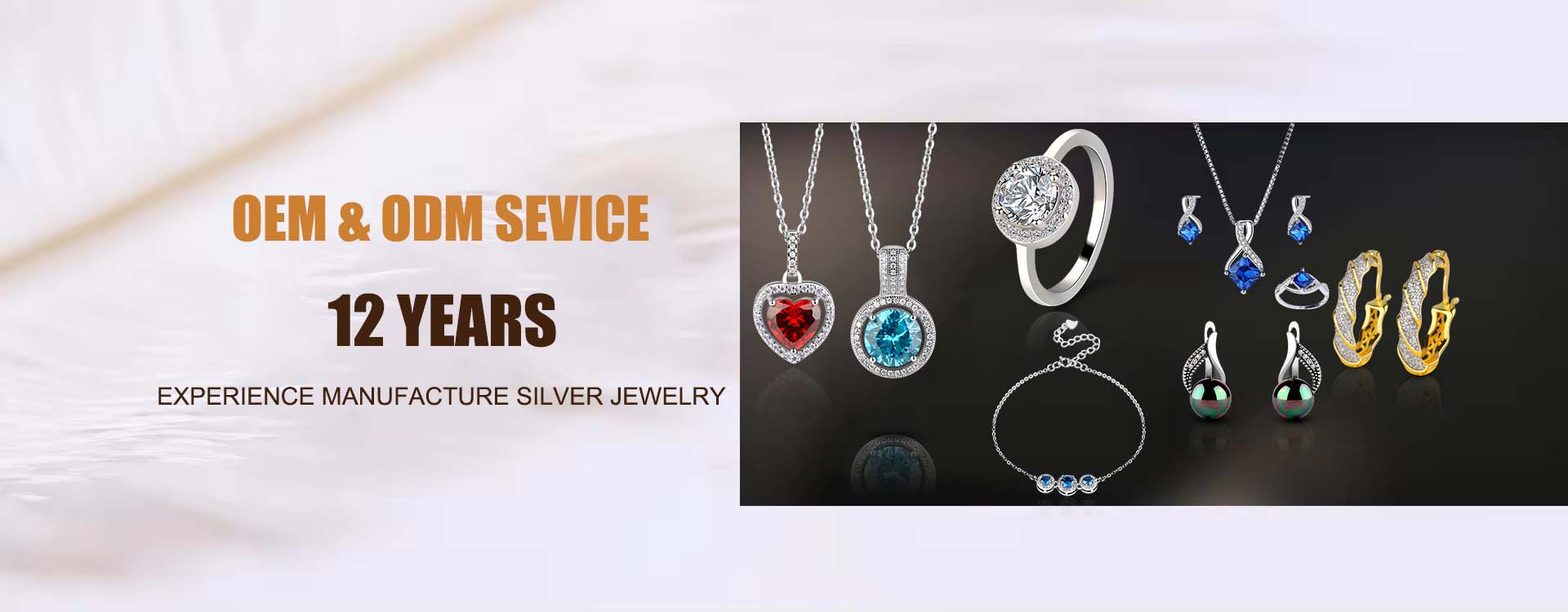
MASCOT Jewelry runs its own filing and polishing workshop; every 925 silver piece passes three polishing stages and full inspection. We support OEM and ODM production for cross-border brand bulk orders.


