

 EN

 CN
 ES
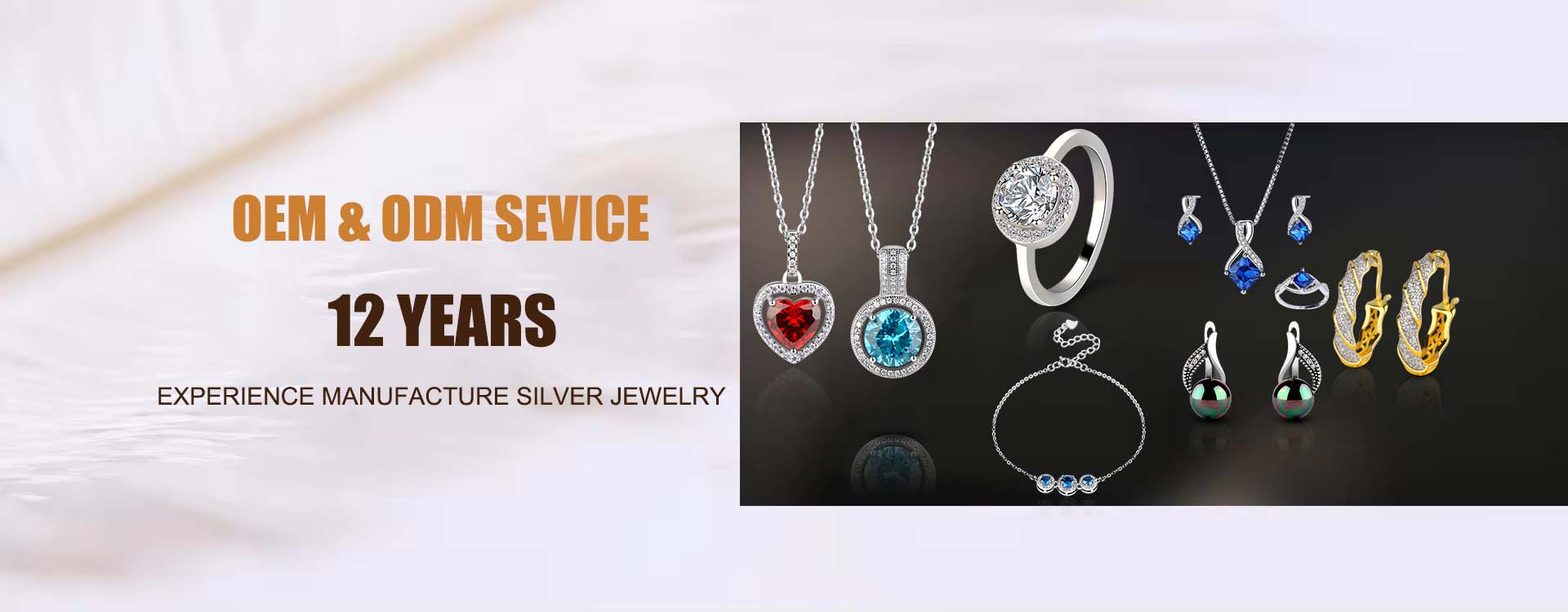
925 sterling silver is an alloy containing 92.5% pure silver and 7.5% other metals, usually copper, and it is the internationally recognized standard for jewelry. Genuine pieces carry a clear "S925" or "925" stamp, develop a black silver sulfide layer when tarnished rather than green copper corrosion, and hold moderate hardness without bending easily. This guide covers its material properties, hallmark recognition, and practical tests.
Pure silver (999 fine silver) is too soft for durable jewelry, so 7.5% copper is added to form the 925 alloy. Copper greatly improves hardness and wear resistance while preserving silver malleability and bright white luster. The density of 925 silver is about 10.36 g per cubic centimeter, with a melting point near 890 degrees Celsius, making it suitable for casting, stamping, filigree, and stone setting. To slow tarnish, many sterling silver pieces are rhodium or platinum plated; once the plating wears, the silver base will darken, which is normal.
Common fakes include thin silver-plated copper that wears through within weeks to show copper, cupronickel which is a pale nickel-copper alloy often allergenic, and tin-lead alloy which feels light in hand. Buy from channels that support re-testing and brand guarantees. As a professional Shenzhen silver jewelry manufacturer, MASCOT Jewelry produces 925 sterling silver to national standards with clear hallmarks, offers OEM and ODM service, and exports to over fifty countries. Contact us for samples and pricing.


