

 EN

 CN
 ES

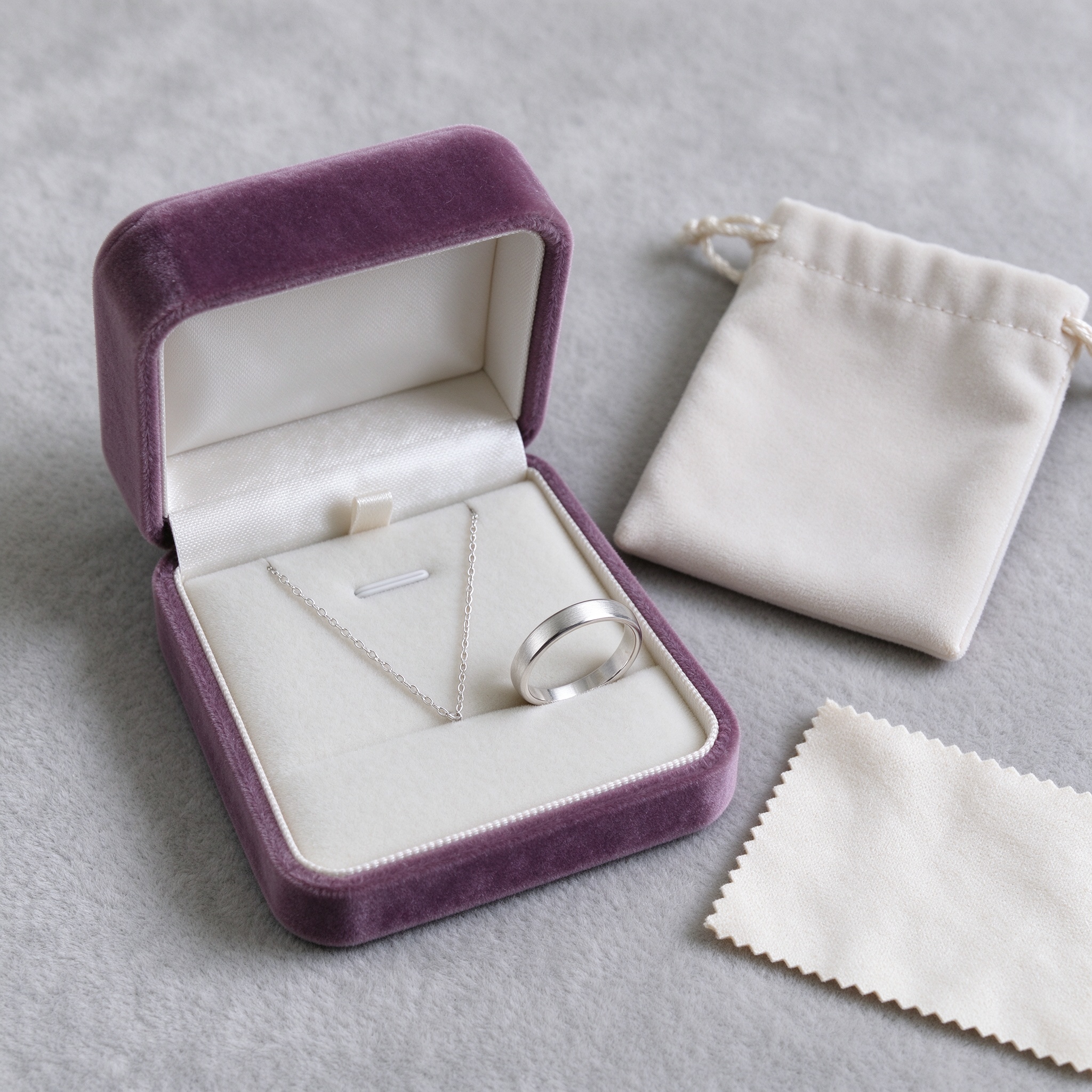
What people call silver oxidation is mostly sulphurisation: silver reacts with hydrogen sulphide in air and with sulphur compounds in sweat and sebum to form silver sulphide, which starts yellow, turns brown, then black. True oxidation at room temperature is very slow, which is why a polishing cloth works: it carries abrasives and reducing agents that strip the sulphide layer. The practical consequence is that as long as sulphur and moisture are present, silver keeps darkening, so prevention means blocking the environment rather than polishing more often.
Humidity first: rainy season, bathrooms and kitchens are the worst. Sulphur second: hot springs, sulphur soap, rubber components and some box linings release it. Sweat and sebum third: wearing a piece all summer then dropping it into a box without wiping is the harshest pattern. Cosmetics and perfume fourth: alcohol, acids and sulphur-bearing ingredients all accelerate change. Two more that get missed: worn plating exposes bare silver that absorbs sulphur faster, and jewellery buried at the bottom of a closed box tarnishes faster than pieces stored in the open.
Dry means humidity, ideally below 40 percent relative, with a small desiccant pack in the box that gets replaced periodically. Sealed means limiting air exchange: use zip bags with a sealing strip or a pouch, press the air out, then close. Separated means keeping materials apart; do not store silver with copper, brass or rubber-backed pieces, rubber bands or newsprint. Separation is the step most often skipped, and pieces rubbing together in one compartment also pick up scratches.
Yes, within limits. Commercial anti-tarnish pouches usually contain silver-ion fabric or an activated carbon layer that adsorbs sulphur gases in a small space and slows discolouration. They suit travel and short-term storage and typically fade after a few months. Anti-tarnish cards, thin sheets with copper or carbon, work the same way inside a sealed box. Neither is permanent protection; the baseline remains sealing and dryness. For retail programmes, shipping a care card and a pouch with each piece generally lowers returns compared with shipping neither.
Frequency follows wear: every two to four weeks for daily pieces, every three months for occasional ones, a check every six months for stored items. Wash in warm water with a little neutral hand soap, work a soft brush into gaps, rinse, blot with a soft cloth and dry completely before storing. Three things to avoid: toothpaste, whose abrasives scratch; chlorine bleach and chlorinated cleaners; and ultrasonic cleaners on stone-set or plated pieces, which can loosen prongs and strip plating. A polishing cloth is for quick brightening, not a substitute for washing, and should be replaced once it is dirty.
Yes. The sulphide layer is only on the surface and comes off with a polishing cloth or a proprietary silver dip. Repeated darkening points to storage, so fix storage before cleaning.
No. Fridges are humid and food smells carry sulphur, which speeds tarnish, and condensation stays on the metal when you take it out.
In the same box is fine, but separate compartments are better. Different metals rubbing together leave marks, and softer gold scratches more easily.
Gently. The cloth is mildly abrasive and repeated pressure wears plating. For plated pieces, clean with a soft cloth and neutral soap, rinse and dry.


