

 EN

 CN
 ES

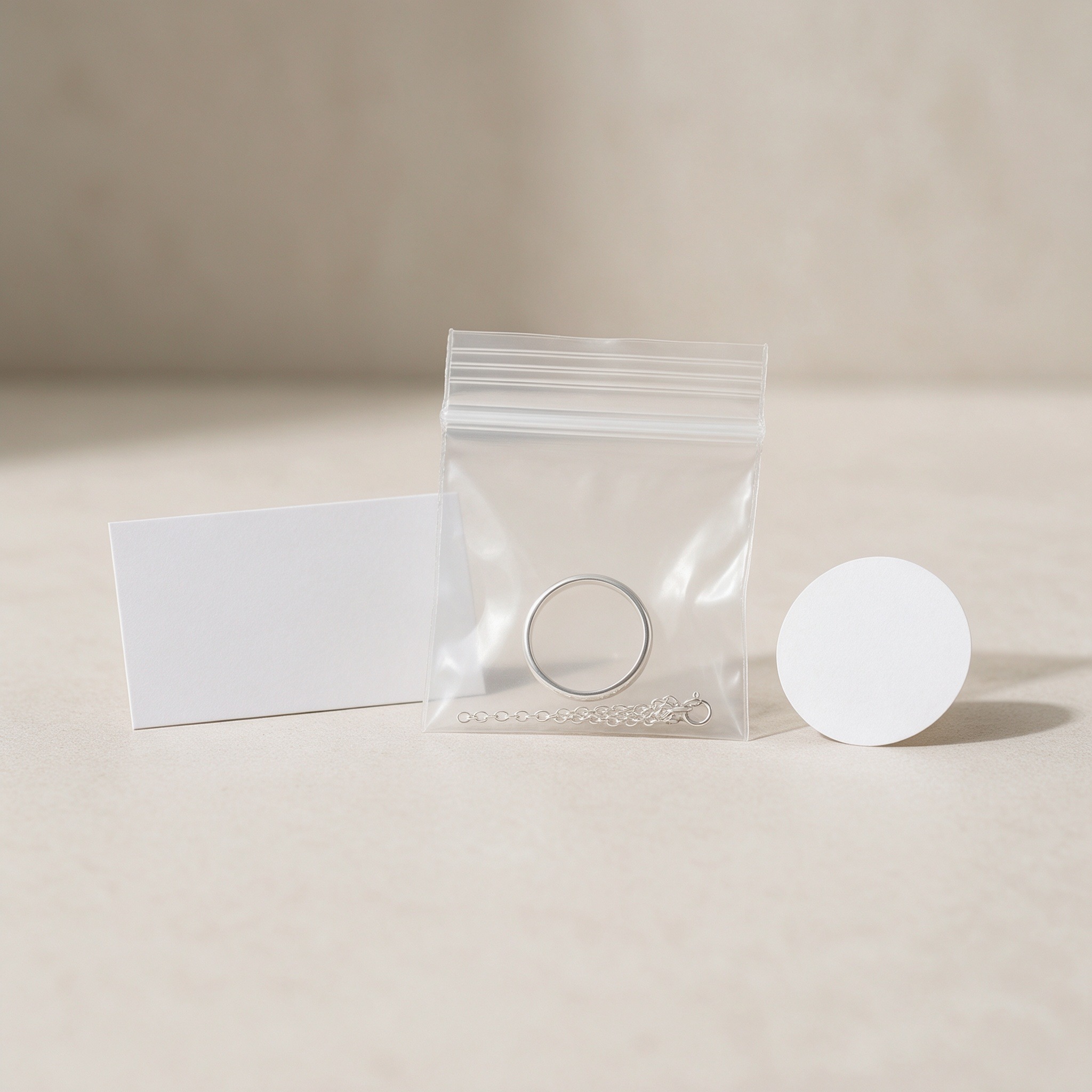
Sealing means preserving an approved physical piece as the reference for later comparison. Signing means both sides acknowledge that piece or its record in writing. Retaining means keeping several copies of the same batch, distributed to factory, buyer and, if needed, a third party. People use the words interchangeably, but they answer three questions: what is the standard, who accepted it, and what do we compare against.
Do only one and trouble follows. Seal without signature and the customer can disown it; sign without retaining and there is nothing physical to compare during production.
Label six things: sample number, approval date, material and grade, surface treatment including polish, matte, brush, antique or plating thickness, colour and weight reference, and the corresponding style photo number. Put the label where it will not rub off, or bag the piece, seal it and label the bag as well.
Many labels carry only a number and a date, and six months later nobody remembers the finish. Fuller labelling removes most arguments, especially for antique and plating work judged by eye.
The standard route: the factory confirms the sample internally, then ships it to the buyer; the buyer approves or requests changes within an agreed period; on approval both sides sign the sample label and an approval form listing style, material, finish, quantity, price and lead time. Cross-border orders can use scans or e-signature, provided the contract recognises their validity.
The critical clause is who may request changes. If a buyers merchandiser, owner and operations staff can all send revisions, the factory receives conflicting instructions. Name one approver in the form and much rework disappears.
When the first pieces come off the line, compare side by side against the sealed sample under the same light: colour, finish, weight, dimensions and stamp position. Only after the first article passes should lot sampling begin, typically five to ten pieces, pausing the batch when two or more deviate clearly.
Compare under matched conditions: same light, same background, same angle. Many “colour differences” come from one piece viewed by a window and the other under a lamp. Photos are a record, never the sole criterion.
New material, a different plating house, changed antique parameters or a structural revision should all trigger re-sealing and a new version: append a suffix to the new sample number, mark the old one void without destroying it, and keep it on file. Then a drift can be traced to the version where it started.
Write this into the purchase contract: material changes require advance notice and re-approval, and unapproved changes count as non-conforming. One contract clause beats ten verbal reminders.
Usually factory and buyer each keep one, with a third copy for an inspection agency when needed. If only one exists, keep it at the factory, but the buyer must hold the signed approval form and complete photo records.
Not reliably. Follow up with an approval form naming style, material, finish and quantity, signed or e-signed by the designated approver. Chat logs support the record but cannot replace it.
At least two, one for the factory and one for the buyer; three when the order is large or third-party inspection applies. Keep them until the style is discontinued plus one order cycle.
Compare against the sealed sample to establish the deviation and its rate, then decide between rework, sorting or a price adjustment. Require the factory to state the cause and the control measure; returning goods without root-cause work means the next batch repeats it.


