 EN

 CN
 ES

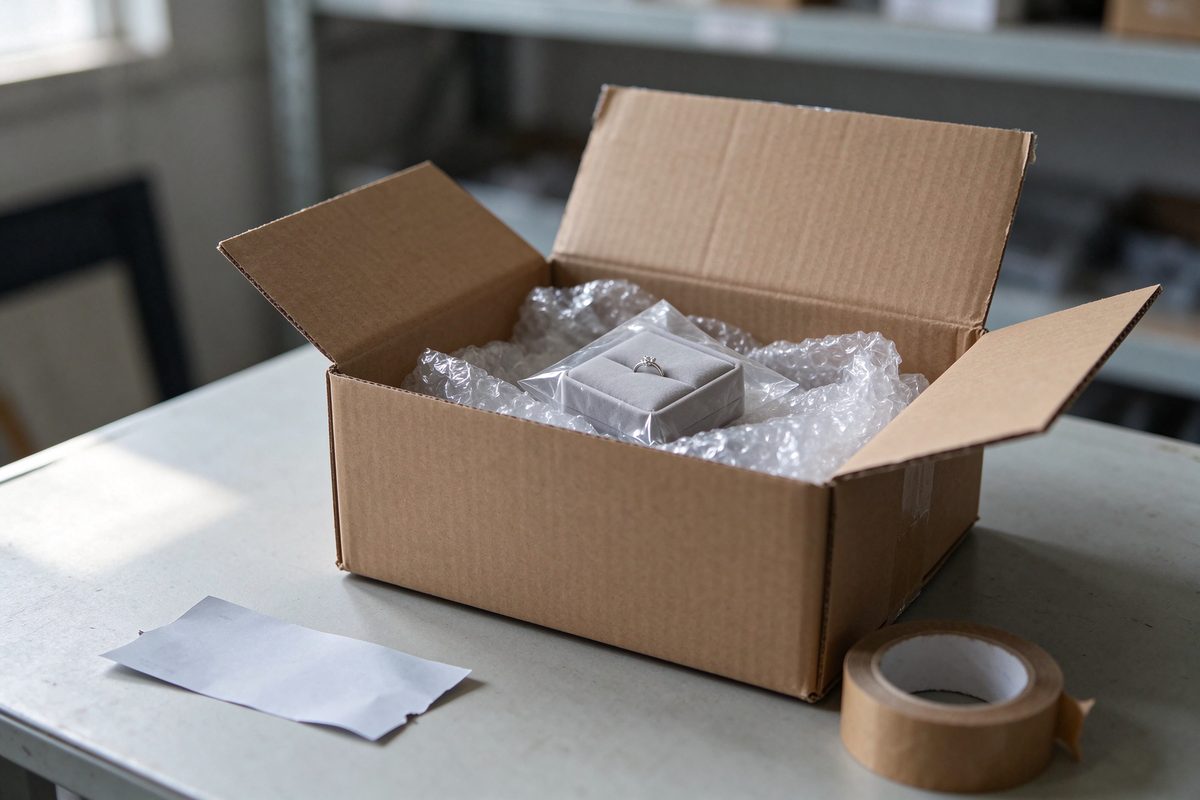
Returns on silver jewellery come in waves and from a handful of causes: sizing, plating colour that reads differently under a buyer's lighting, a chain that failed in transit, or a stone that came loose. The instinct is to send everything back to the factory. That instinct is expensive, slow, and often unnecessary.
Before deciding, split the return into two questions. Is the piece defective, meaning the factory or the carrier is responsible, or is it a preference return, meaning the customer simply chose wrong? Defects are usually covered by the supplier. Preference returns are a commercial cost you plan for, not a claim you win.
This is the right path for defects that need real rework, such as a broken setting or a casting flaw. It is the wrong path for sizing and colour preference. The cost stack is easy to underestimate: outbound freight paid twice, import paperwork on re-entry, and three to six weeks lost. Duty and VAT already paid on the original export are generally not refunded automatically when goods come back, so confirm the treatment with your broker before shipping. Keep the original commercial invoice and packing list; a return without them is a customs argument waiting to happen.
Most silver returns are cosmetic: a worn plating, a bent claw, a chain that needs a new clasp, a ring one size up. A local jeweller with a plating bath and a laser welder can fix these inside a week, usually for less than the round-trip freight. What you need from the factory is not the repair, but the specification: plating colour and thickness, clasp model, sizing increments, and the exact solder or alloy used. Ask for a repair sheet with those four items and you can brief any local partner.
Pieces that cannot be repaired economically, or that carry a defect you do not want to reintroduce into primary stock, can be bundled for an outlet channel. This is legitimate as long as the defect is disclosed and the pieces are not sold as first quality. Writing off a twenty-dollar pendant is often cheaper than moving it across an ocean twice.
Three interventions cut return volume more than any negotiation: a size chart with measured circumference rather than generic small, medium, large; a care card in the box that explains tarnish and storage; and a pre-shipment inspection that checks plating colour against an approved sample under fixed lighting. If colour is the recurring complaint, agree a tolerance on a physical master sample before the bulk run, not after the first complaint.
Returns will not disappear. But the share of them that crosses an ocean should be small, deliberate, and limited to the cases where rework genuinely belongs at the factory.