News
Site Editor
Site
Wax, casting, setting, plating and packing each lock in something. Here is what a change costs at every stage, and how to write an amendment that actually holds.
Order Amendments in Silver Jewelry: What Can Still Change, and When
Views: 5
Author: MASCOT
Publish Time: 11-27-26
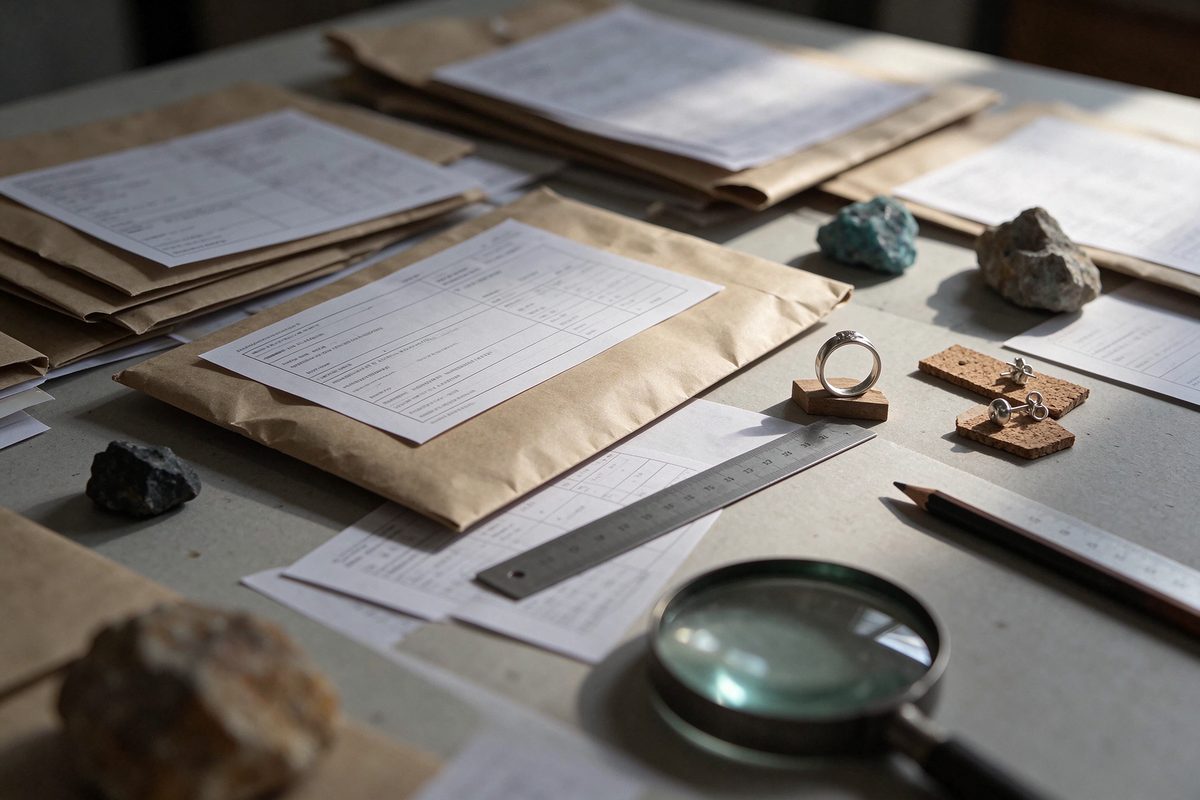
A custom silver order rarely goes wrong because the factory is slow. It goes wrong because something changed after the purchase order was signed: a plating colour swap, 200 extra pieces for a best seller, a pendant that should have been two millimetres shorter. Knowing exactly where those requests can still be absorbed, and where they start costing money, is the difference between a smooth reorder and a missed launch.
Why the window follows the process, not the relationship
Silver production is a chain of irreversible steps. Wax printing, casting, stone setting, plating and packing each lock in something the step before created. Once a tree is cast, the metal exists. Once rhodium is applied, the surface is sealed. A factory that says yes to everything is usually either absorbing your change into somebody else's schedule, or planning to fix it later at your cost.
What is still open at each stage
- Quotation and sample stage: everything. Size, plating colour, stones, clasp, packaging, size curve. Nothing is committed except tooling time.
- After sample approval, before wax printing: almost everything, at low cost. Style edits, quantity, packing. This is the cheapest window, and the one most buyers waste.
- During wax and casting: quantity can usually move inside the same tree, new styles cannot. Extra pieces mean a new tree, a new casting run and a new polishing batch.
- After casting, before setting and plating: stone and surface changes are possible but narrow. Changing a stone shape means re-checking every setting seat.
- After plating: colour changes mean stripping and re-plating, which risks softening fine engraving. Quantity increases mean a second plating bath, with a possible tone difference from the first.
- After packing: paperwork and labels only. Any product change means unpacking, re-inspection and repacking.
The three costs behind every change
Ask for the change cost broken into three lines rather than one number:
- Material and scrap: metal already cast, stones already sorted, boxes already printed.
- Rescheduling: your batch loses its slot on the plating line or the polishing bench and moves behind orders already queued.
- Rework risk: stripping plating, pulling set stones or resizing can leave marks that pass at a glance and fail under a loupe.
A quote that only says "change fee: USD X" hides which of these you are paying for. A factory that itemises them is usually the one that can genuinely absorb a change.
Writing an amendment that holds
- Issue it as a separate numbered document referencing the original PO line.
- State only the delta: plus 120 pieces in size 7, style unchanged; line 2 plating switched to rhodium.
- Get two confirmations, price delta and revised ship date. One without the other is how disputes begin.
- Attach a photo of the approved reference piece with the change marked, so the bench sees what you see.
Three habits that cut amendments
Freeze the size curve before wax printing rather than before packing; most late quantity changes are size mix, not style. Ask for stage photos at three fixed points, after casting, after setting and after plating, so problems are caught while they are still cheap to fix. And keep a small buffer of proven styles in production instead of bolting them on at the end: a ten to fifteen percent over-run on a best seller costs less than an emergency casting run.
None of this removes the need to change plans. It moves the change to a stage where it costs a phone call instead of a launch date.

 EN

 CN
 ES